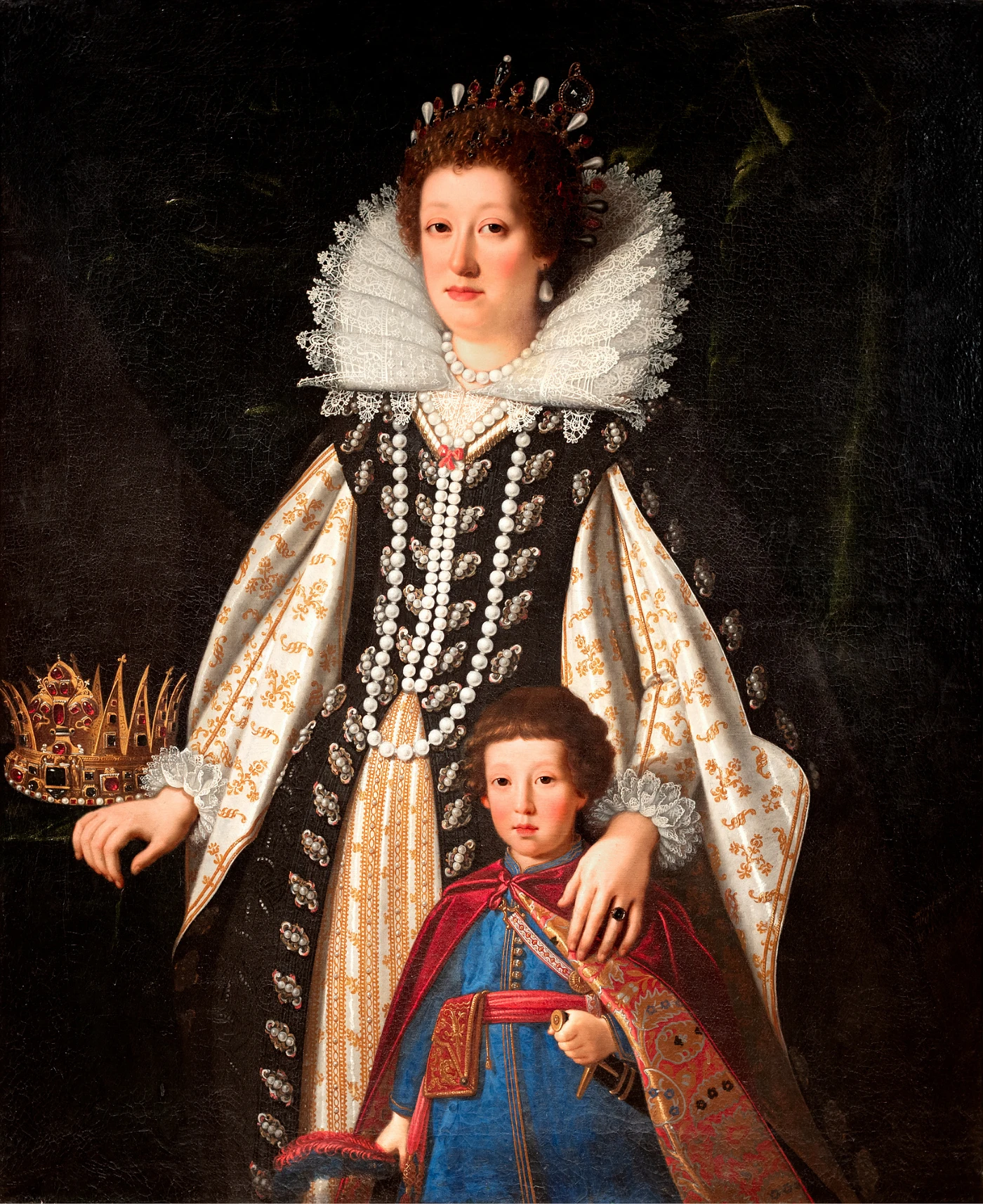
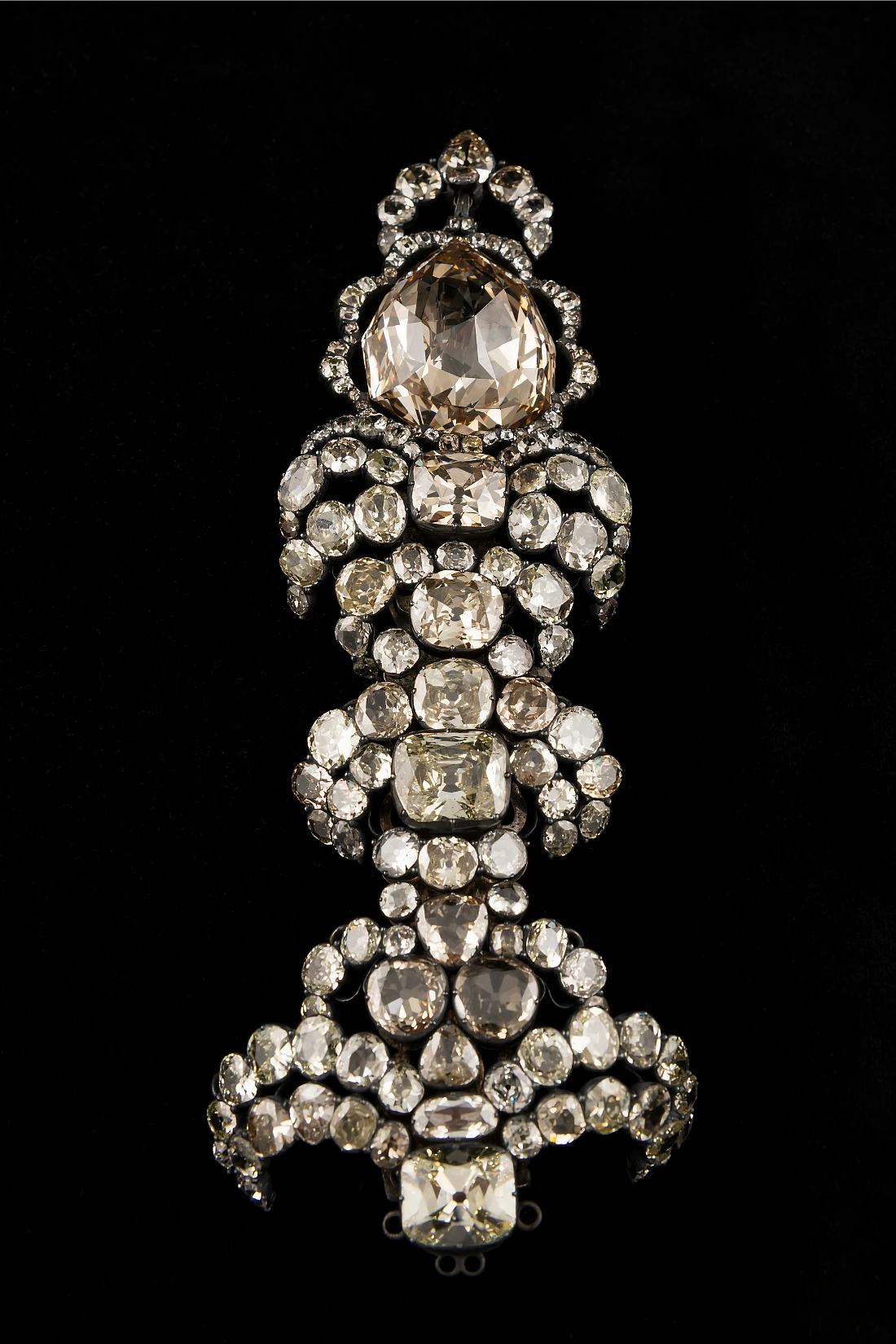
Unknown European jeweller, Hat pin in the colours of the Austrian Empire, 18th century. Silver, gilt silver/gold, diamonds, and yellow sapphires, 11.5 × 5.5 × 1.8 cm. Saint Joseph Trust // Photo: MNBAQ, Louis Hébert
Exhibition
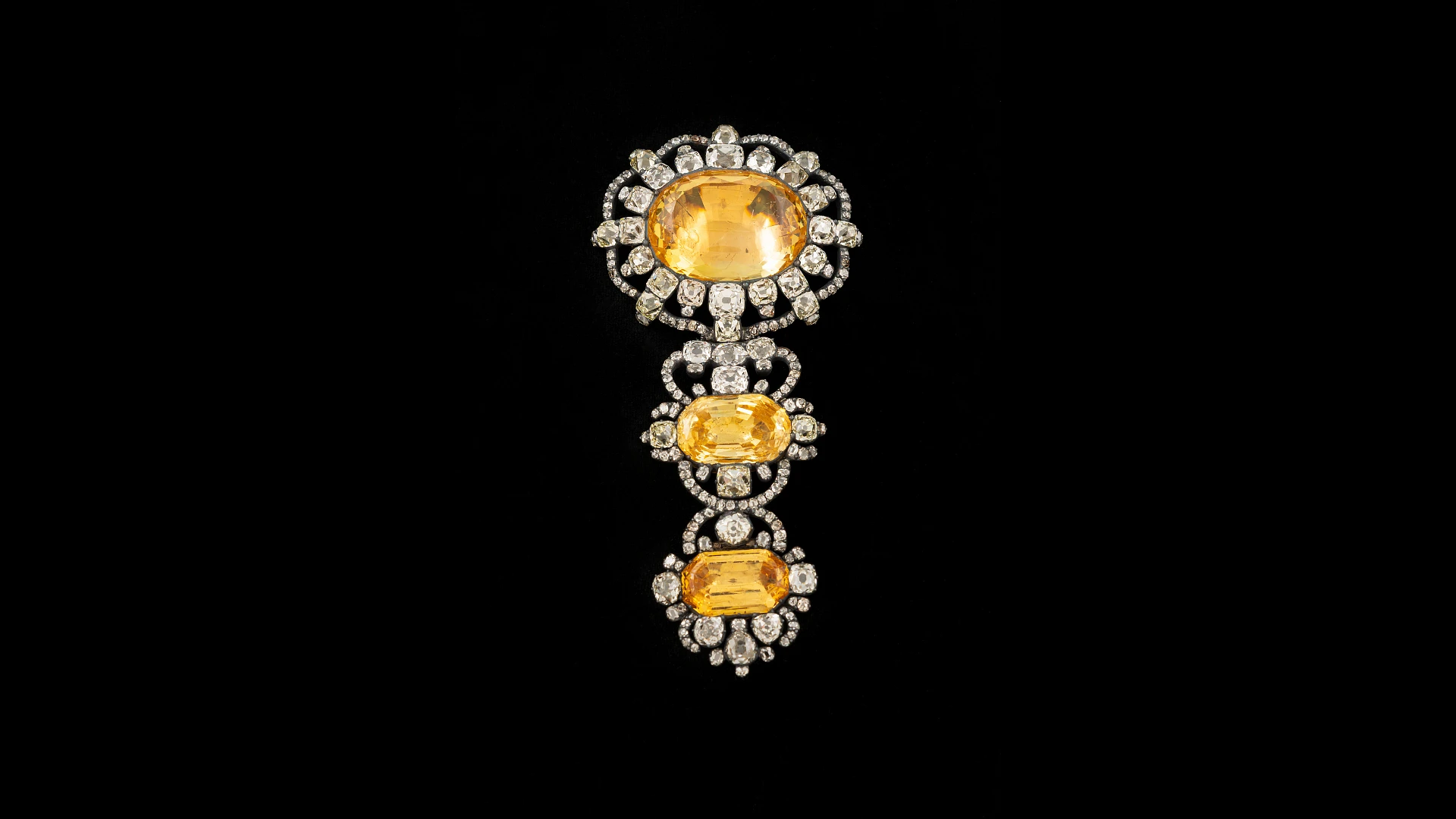
We are proud to display prestigious jewels associated with the Habsburg family for the first time, revealing a story with a strong Québec connection.
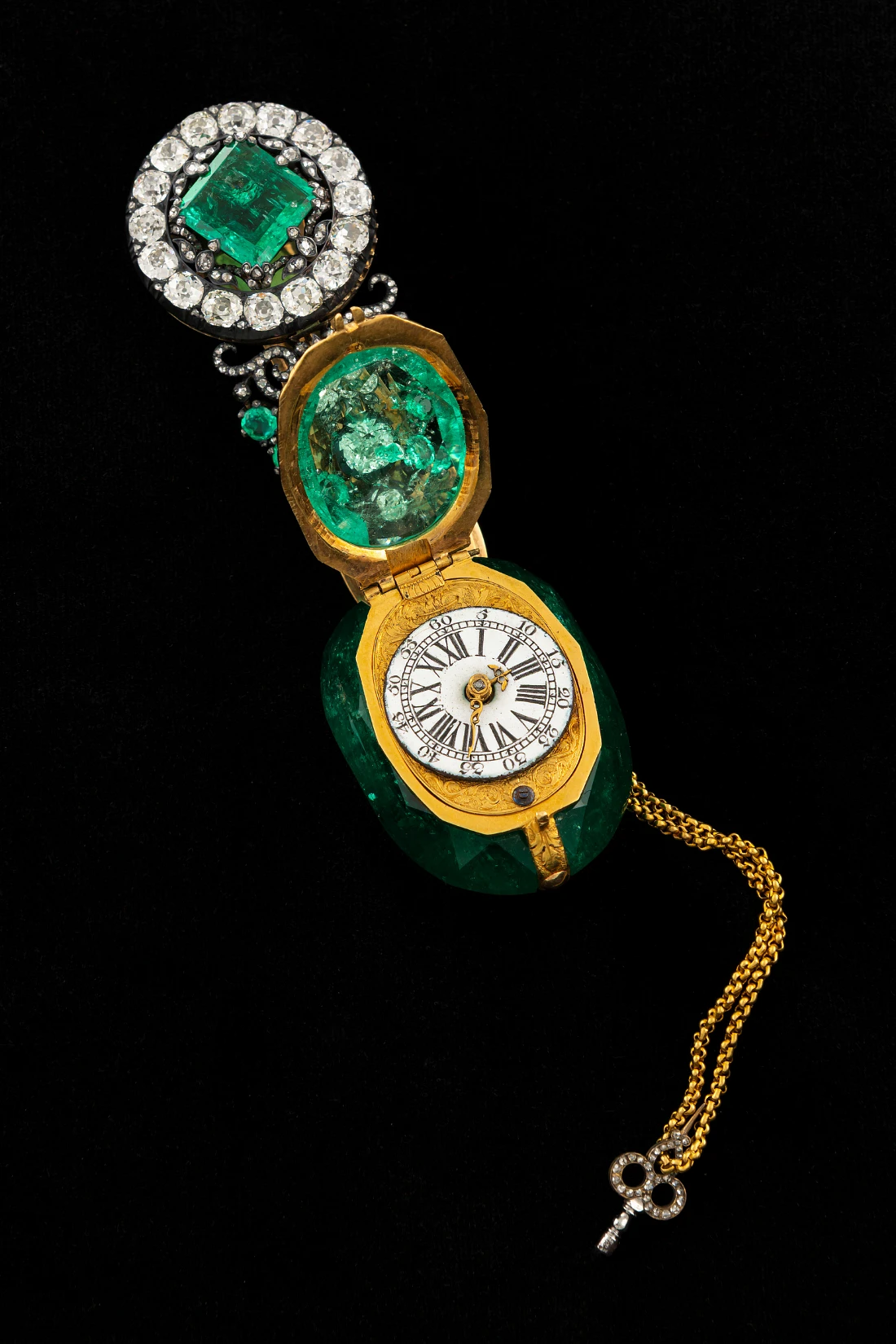
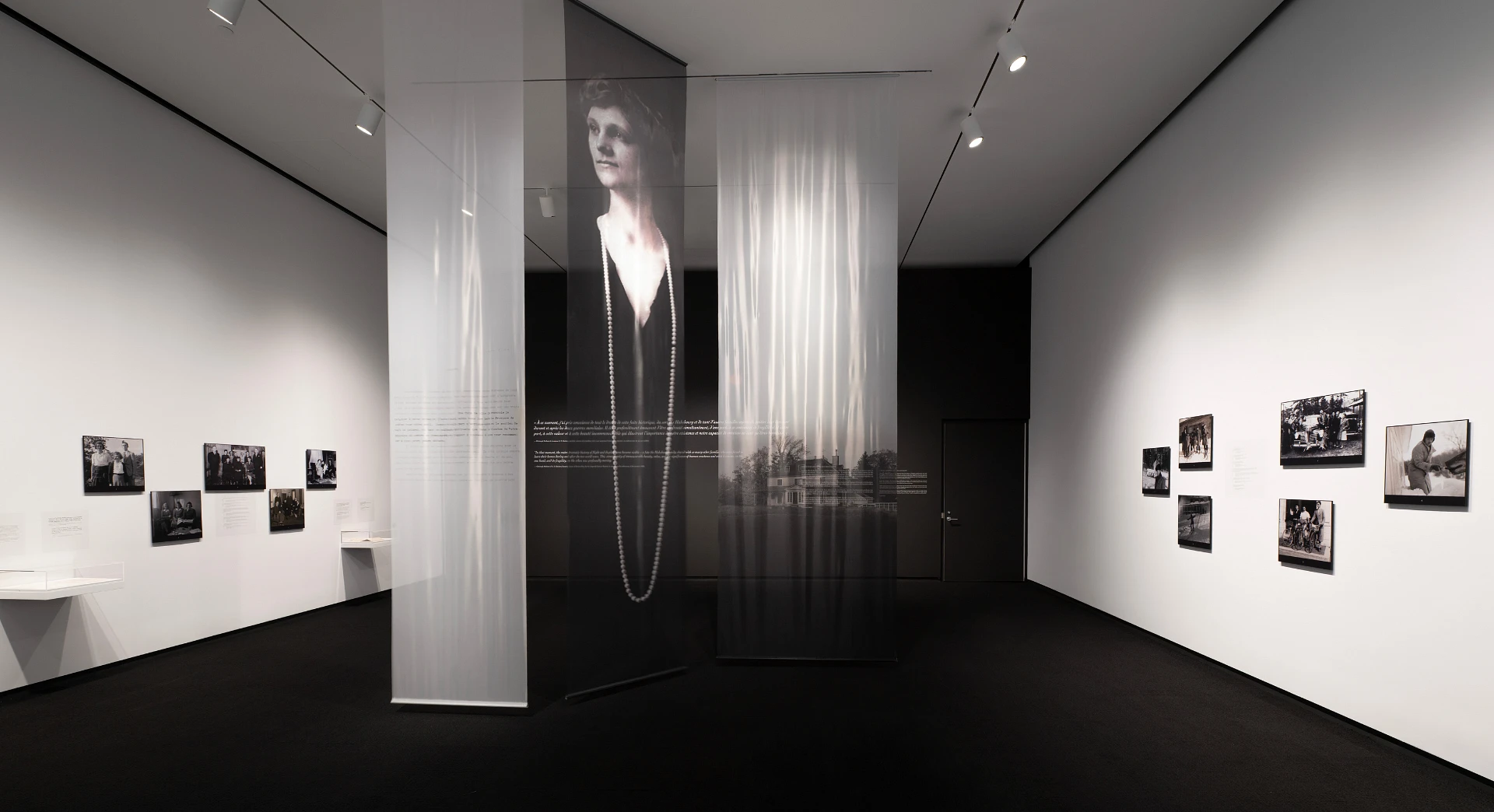
The collection, long kept out of the public eye, is now on display. Its 15 jewels, including the legendary 137-carat Florentine Diamond, tell a story of exile, legacy, and resilience that forms an unexpected bridge between Europe and Québec.
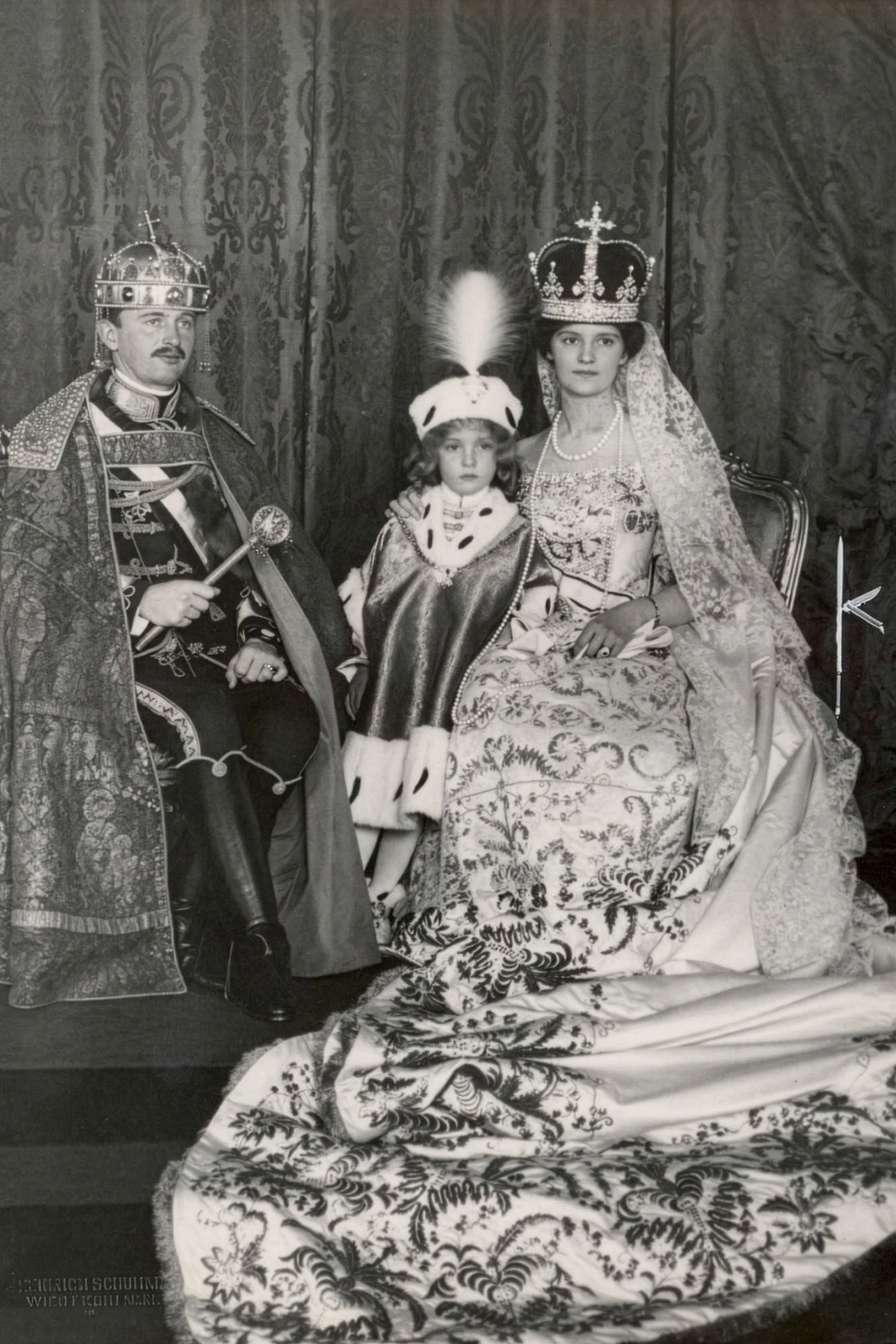
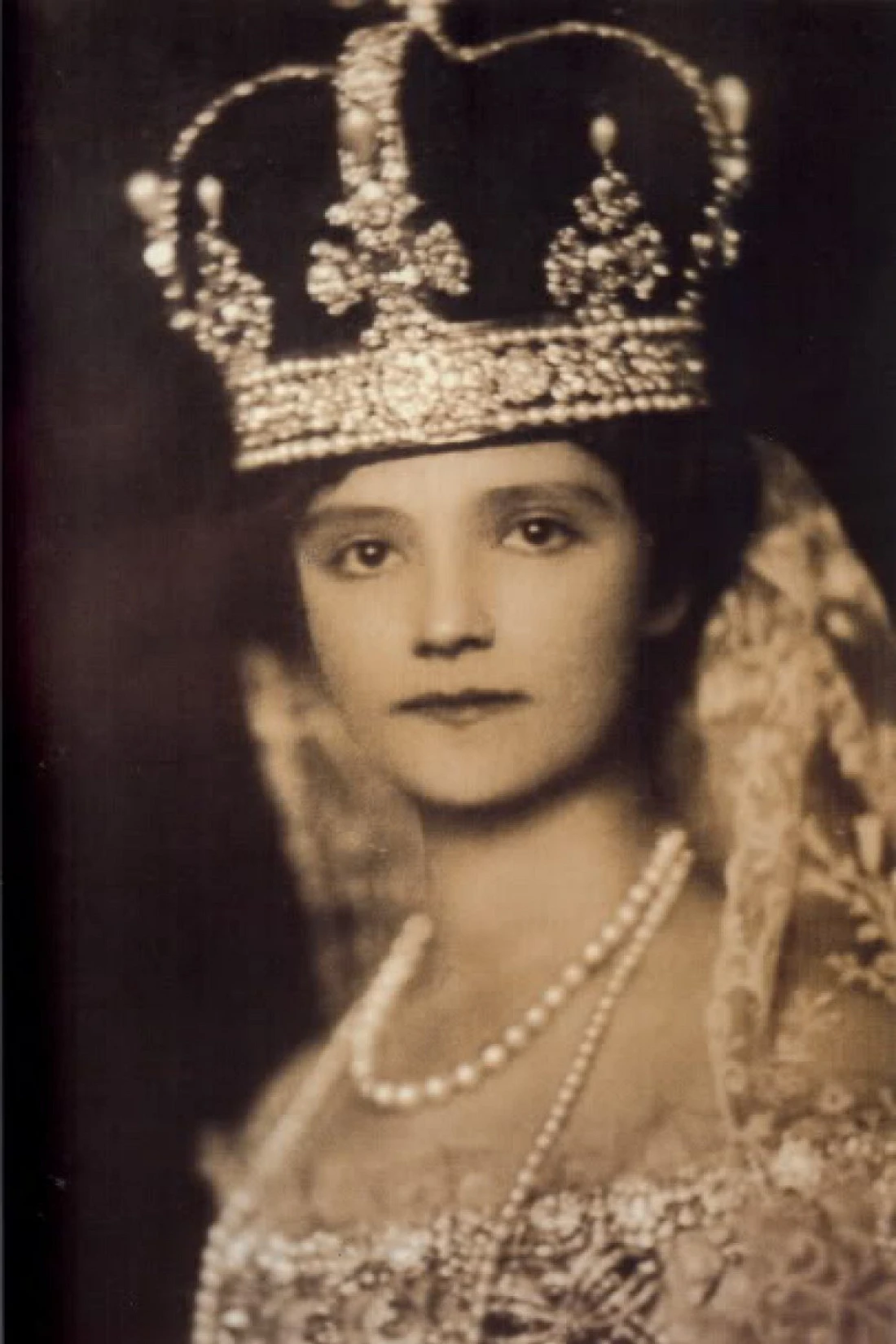
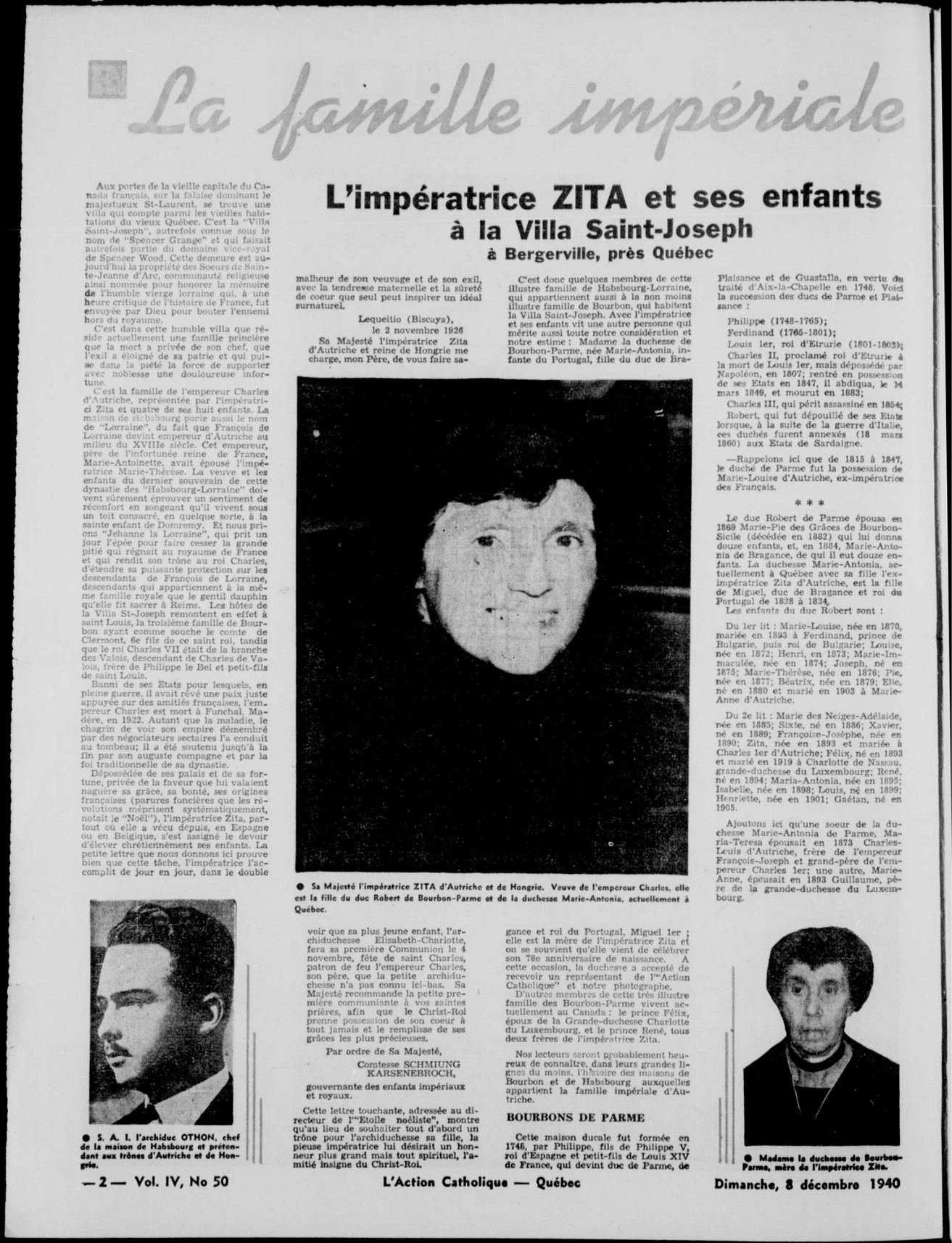
While the brilliance, elegance, and historical significance of these jewels make them worthy of display in their own right, they are being featured at the Musée because they are part of a story with close ties to Québec: that of Zita of Bourbon-Parma, the last Empress of Austria and Queen of Hungary, who found refuge in the city of Québec in October 1940.
After the collapse of the Austro-Hungarian Empire at the end of World War I, Emperor Charles and Empress Zita went into exile.
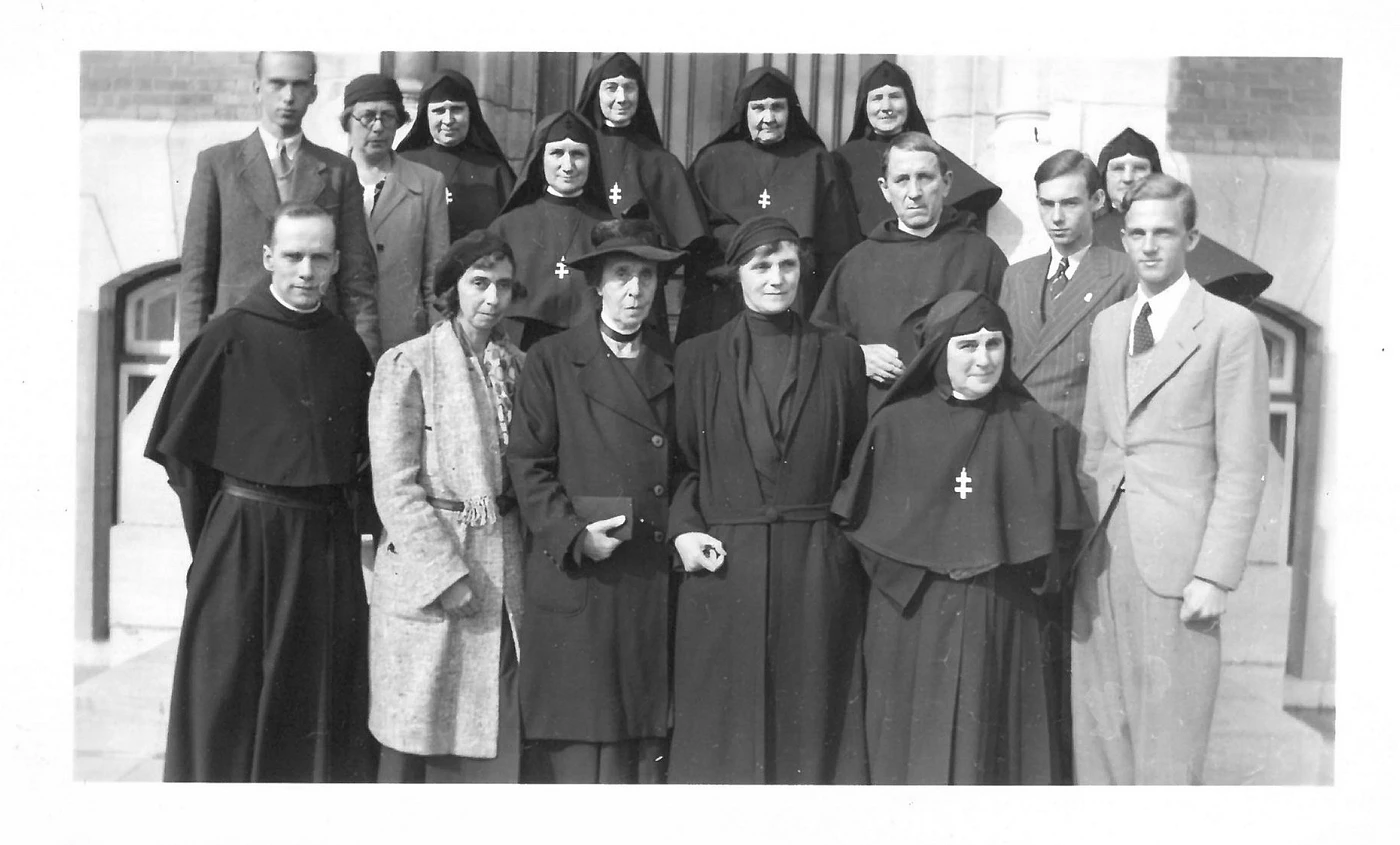
As the Second World War raged, changing Europe’s fate once again, Zita fled the Nazi troops and sought refuge in the city of Québec, at the Villa Saint-Joseph in Sillery. There, the family formed lasting ties that would help anchor this story in Québec’s collective memory: the empress had been travelling with a set of jewels that would remain hidden in Québec for decades.
In the first part of the exhibition, visitors will learn about the major historical milestones in the story:
Next, the exhibition ties the story of the imperial family to works and objects associated with 19th-century Québec society. It then narrows the focus to the city of Québec, highlighting the imperial family’s relationships, the mystery surrounding the treasure, and the way the secret was passed down from generation to generation.
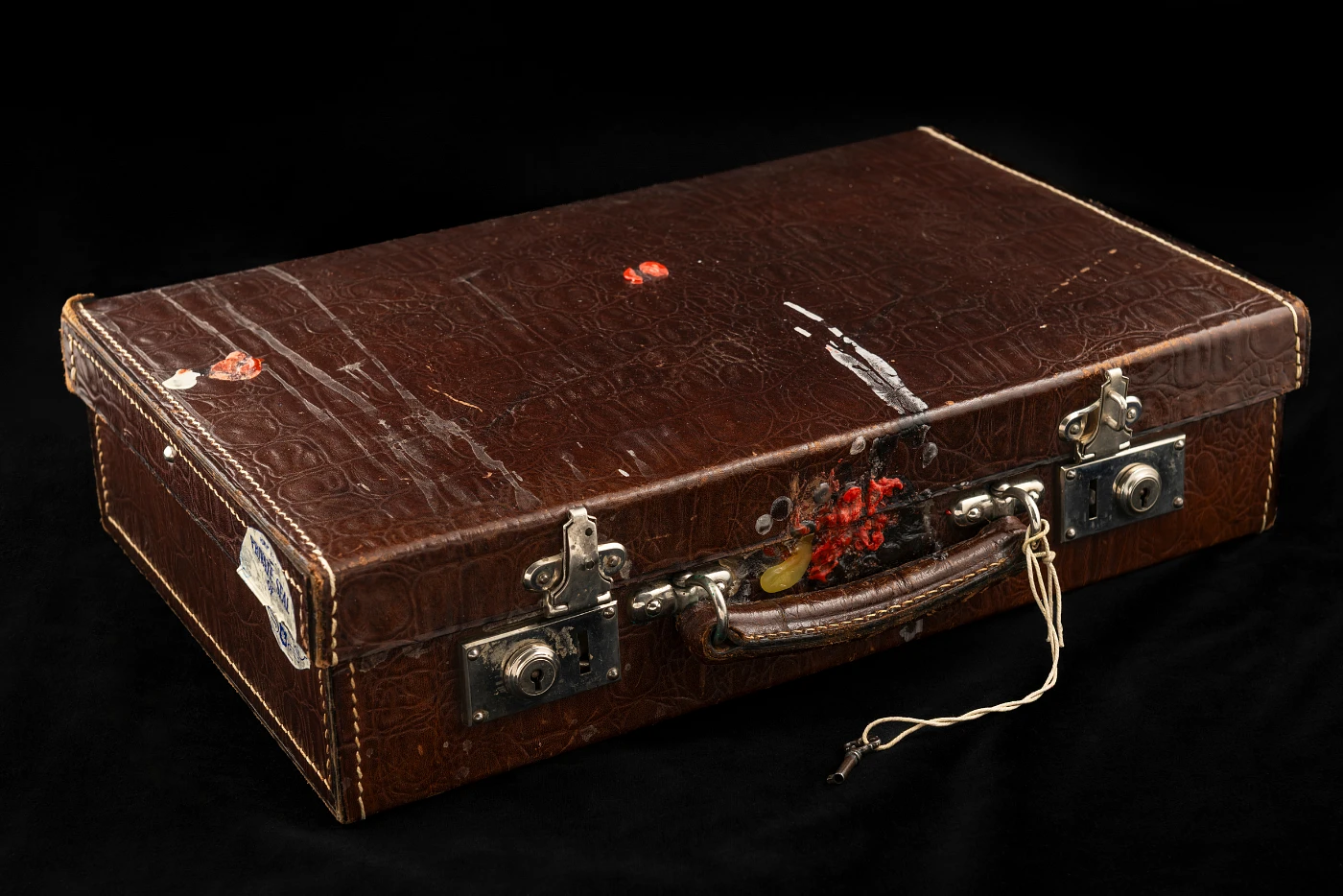
Finally, the journey culminates in the display of the 15 jewels themselves, as well as the suitcase that protected them for decades. They have borne witness both to the history of a dynasty and to the fate of a family in exile. Long kept out of the public eye, this exceptional collection tells a story of legacy, resilience, and an unexpected bridge between Europe and Québec.
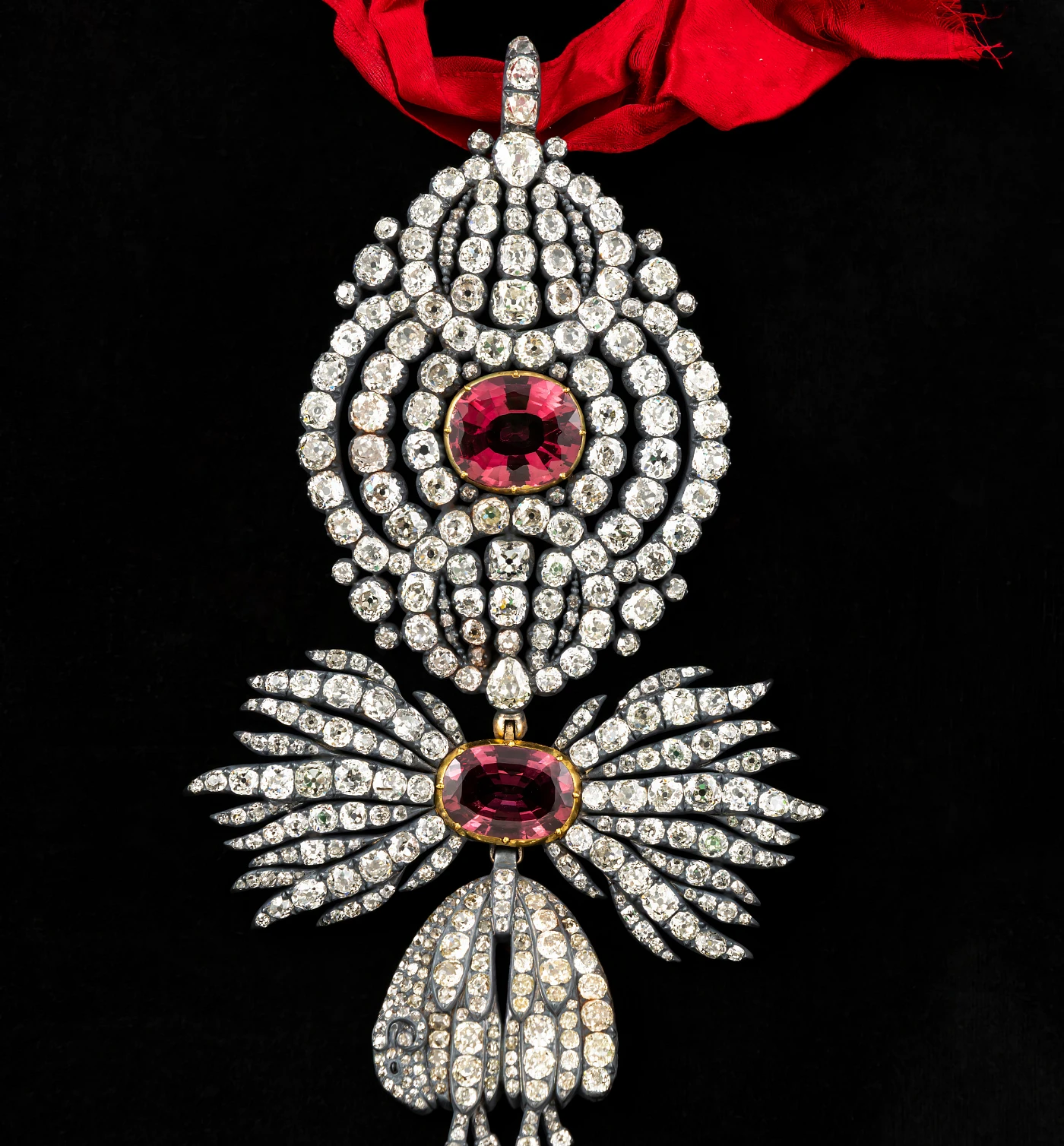
Insignia of the Order of the Golden Fleece
The Order of the Golden Fleece is one of Europe’s most prestigious Catholic orders of chivalry and a core part of the Habsburgs’ dynastic identity. This particular medallion dates back to the 18th century and was worn by Charles I during his wake. More than just an ornament, it symbolizes the Habsburg dynasty’s secular ties to Catholicism.
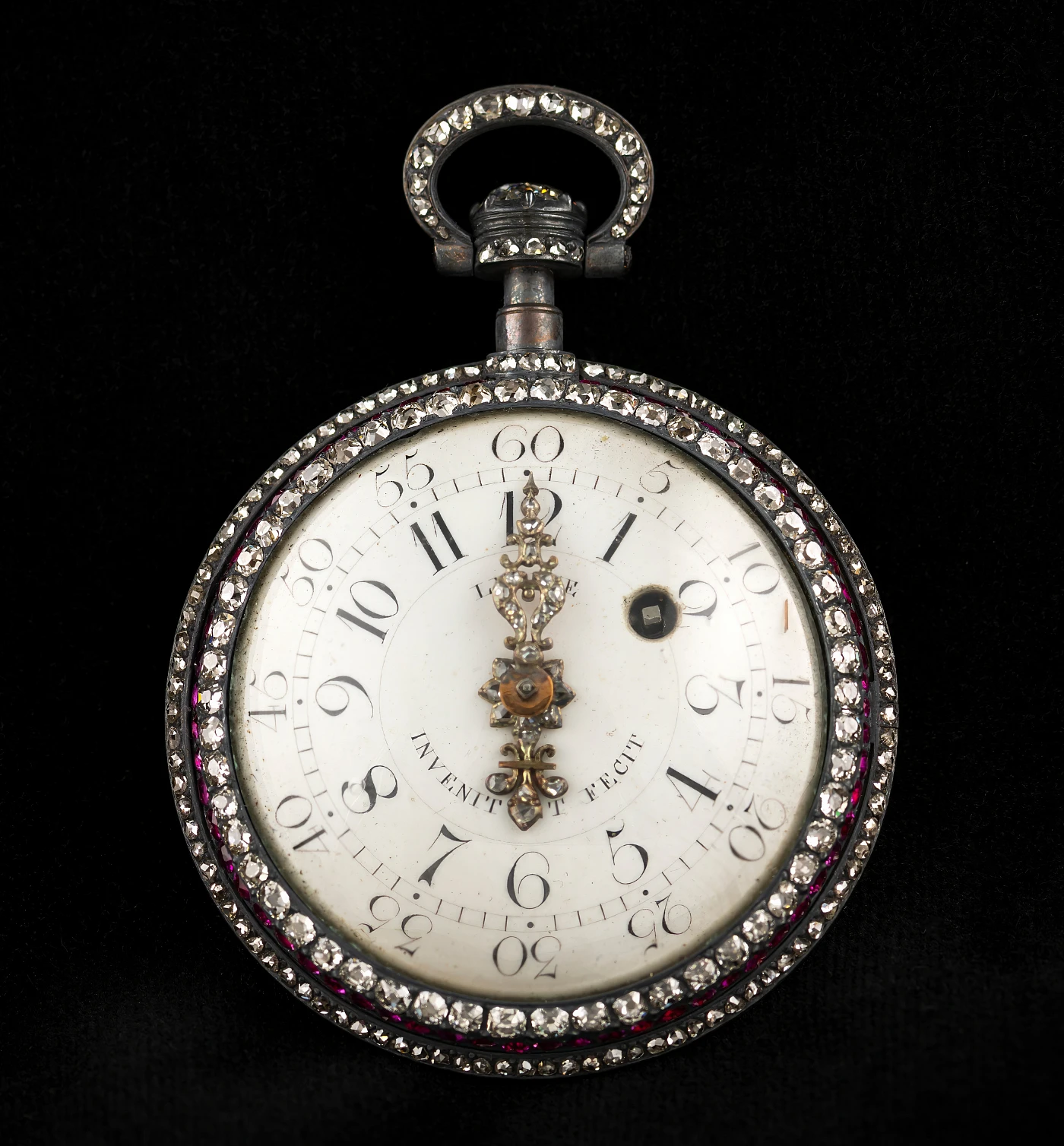
Marie Antoinette's pocketwatch
This sumptuous accessory is a rare intersection of fine jewellery and watchmaking, from a time before wristwatches were common. It was part of the trousseau of Marie Antoinette (1755–1793), Queen of France, and placed in safekeeping during the French Revolution before being returned to her daughter Marie-Thérèse (1778–1851), heir to the French throne, for her marriage. On its backside, a lock of hair—perhaps belonging to Marie Antoinette’s mother, Empress Maria Theresa of Austria—illustrates that this was a deeply personal memento.
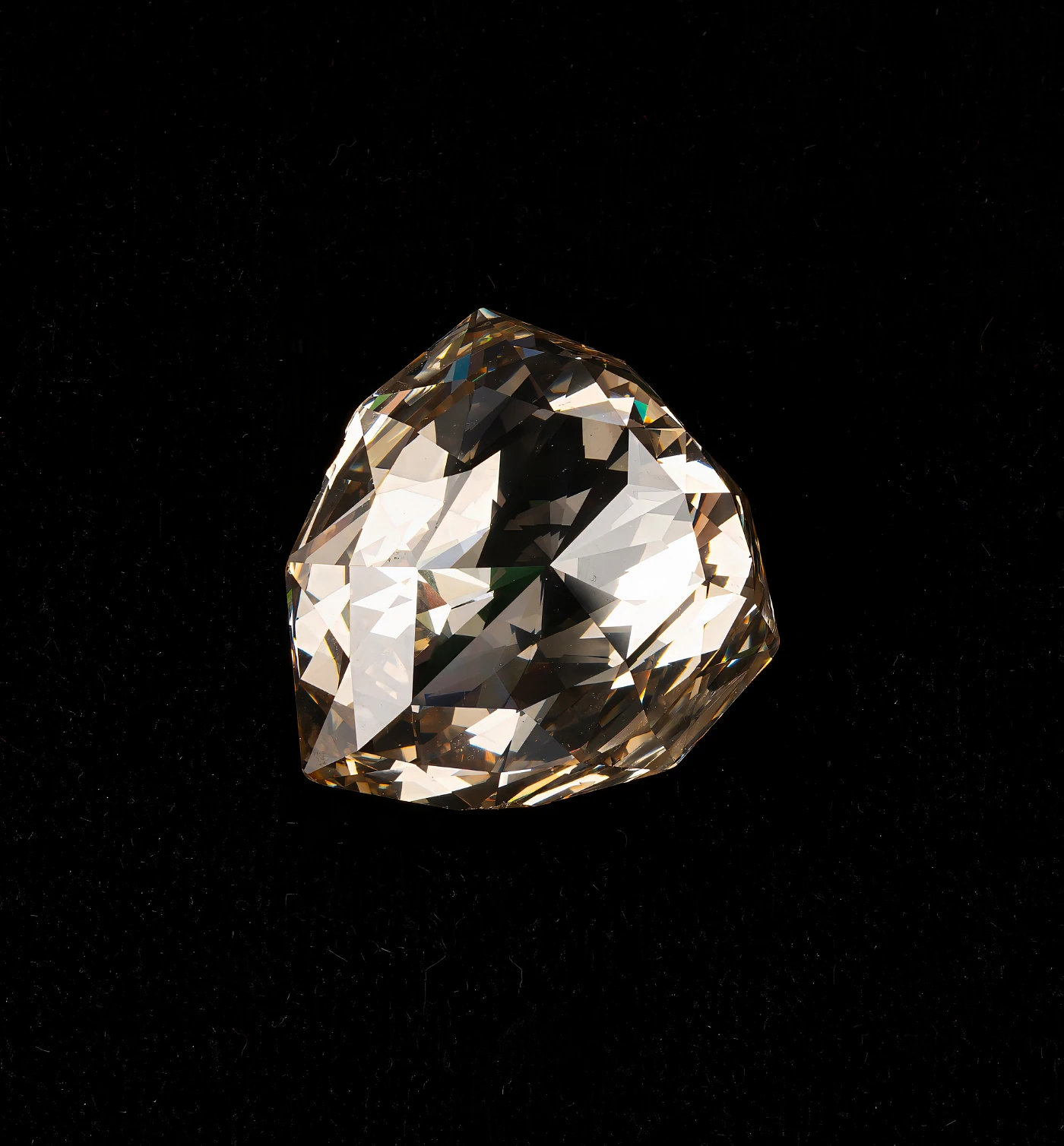
The Florentine diamond
The centrepiece of this collection is the Florentine Diamond, emblem of both the Habsburg dynasty’s power and the mystery surrounding the treasure. It is one of the largest known diamonds and was believed to have been lost for over a century. Its light yellow colour is remarkably pure, and its double rose cut adds a second layer of facets on the underside of the gem to create more sparkle. It made its way through the centuries and the European courts before joining the Habsburg family's jewellery collection.
“The jewels, aside from their own beauty and value, are symbols of dedication to duty amidst the disruption, destruction and displacement of war.”Father Raymond J. de Souza
National Post
Read more“A long-lost diamond, hidden from Nazis, has been in Quebec all along”Harry North
The Gazette
Read more
Hidden Treasure: A Century of Mystery is an exhibition designed and produced by the Musée national des beaux-arts du Québec in collaboration with the Saint Joseph Trust. The exhibition is supported by the Government of Québec. The Musée thanks the Habsburg family for their support and cooperation throughout the project.

Special exhibition
Special exhibition
Permanent Exhibition
Permanent Exhibition
Permanent Exhibition
Sign up for our twice-monthly newsletter to be the first to know about our upcoming exhibitions, activities, and promotions.