Art and wellness
This is an encounter. A guided tour to experience and share // Photo : MNBAQ, David Cannon
Art and wellness
A guided tour to experience and share
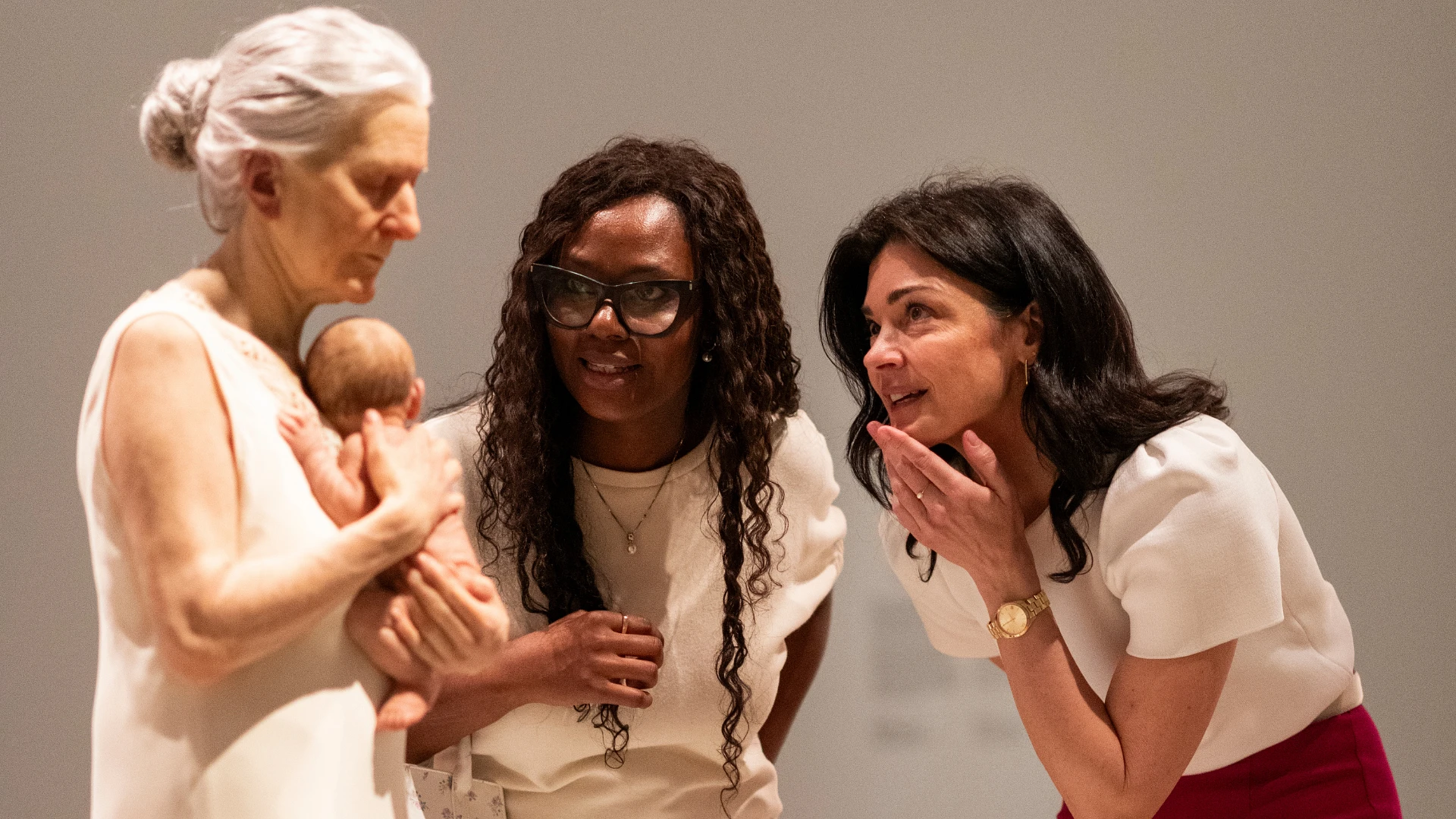
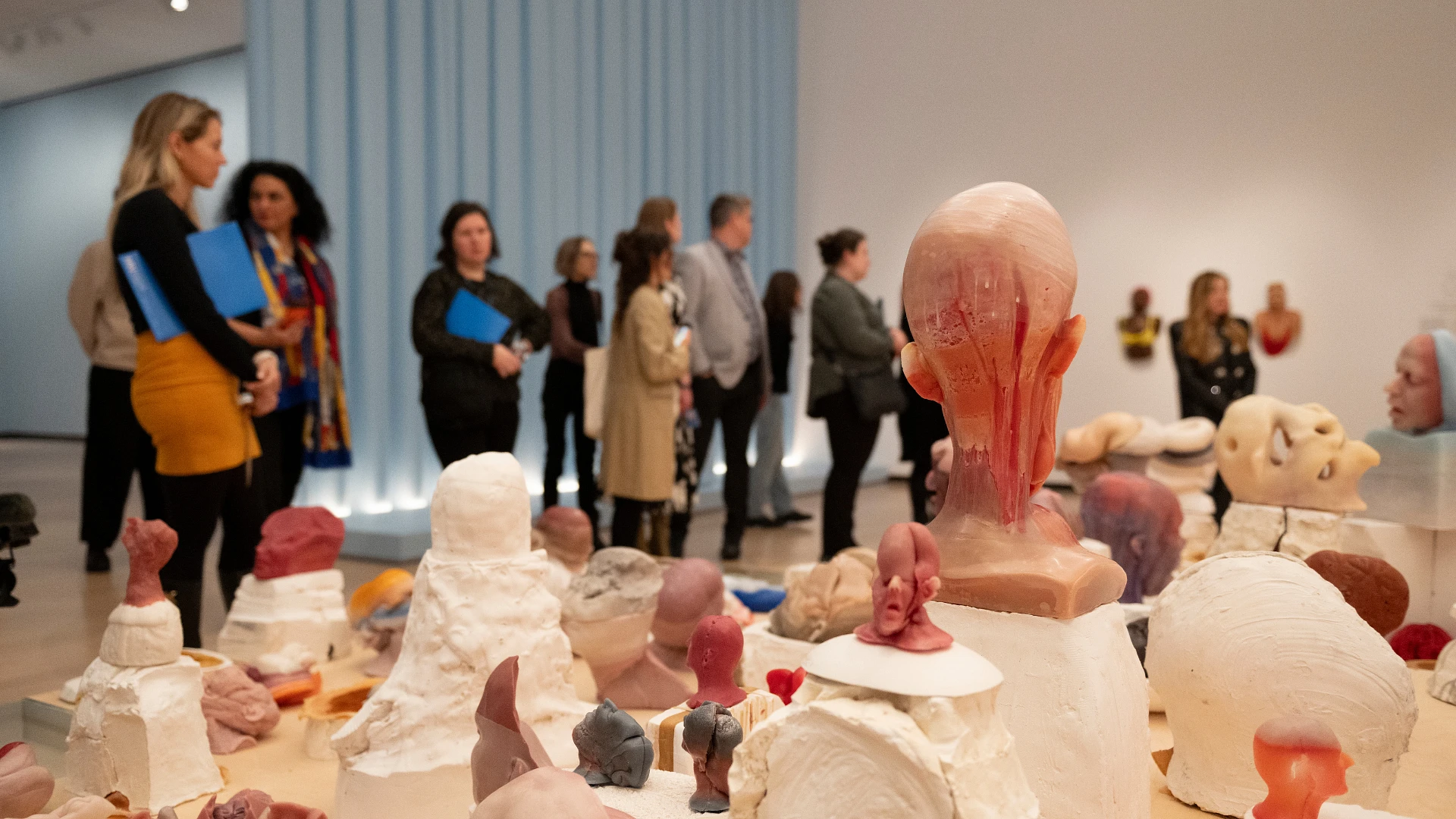
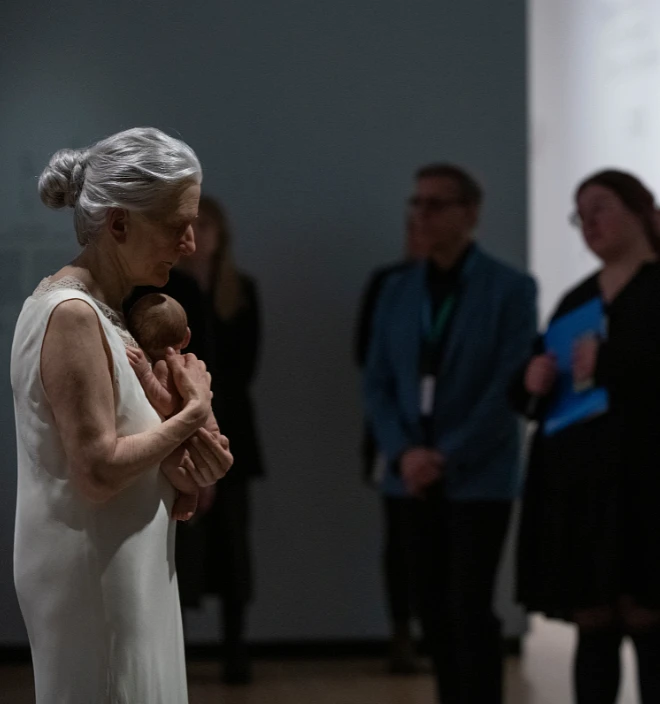
This experimental guided tour will take you through the Hyperrealism: This Is Not a Body exhibition in a completely novel way—using not just your eyes, but all of your body’s senses.
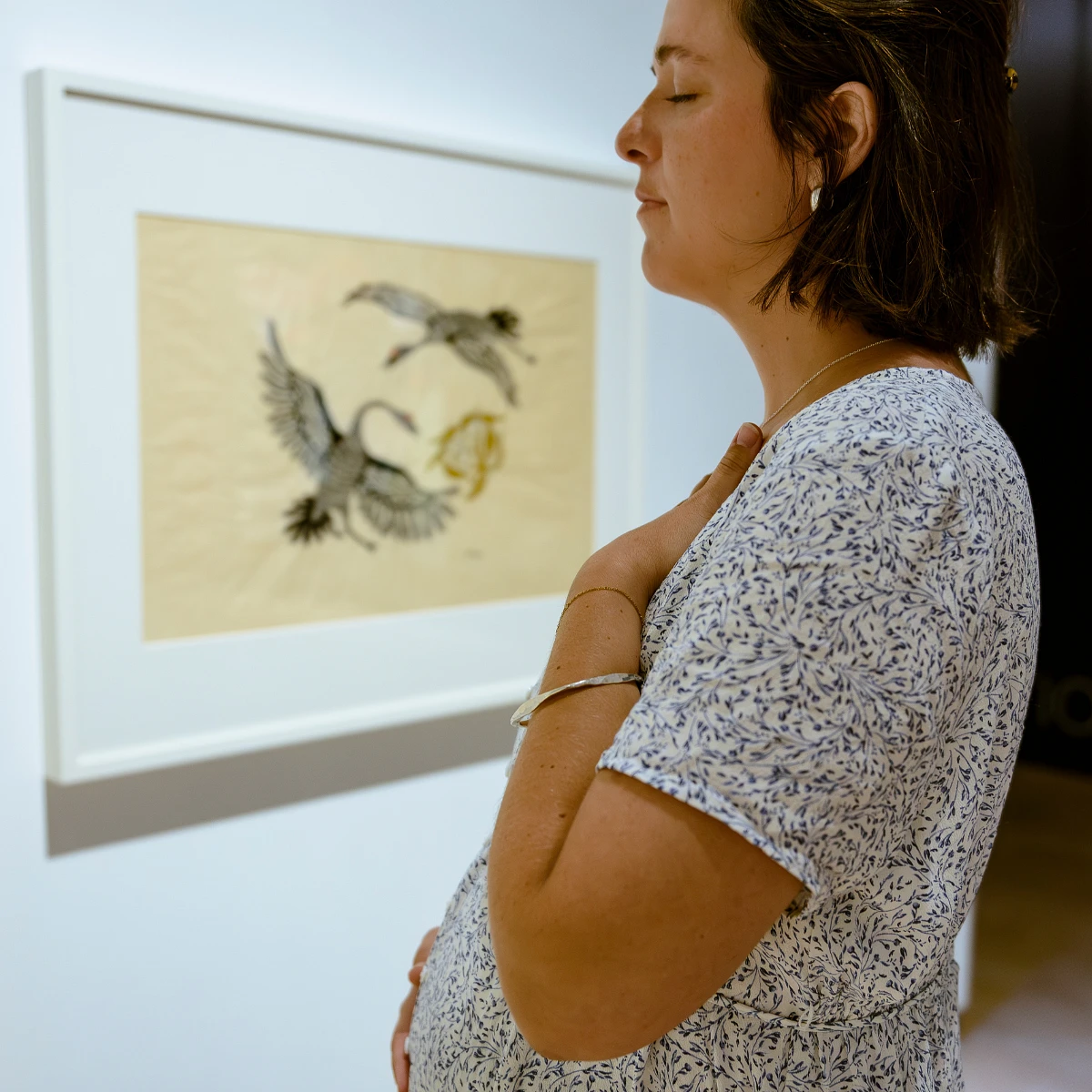
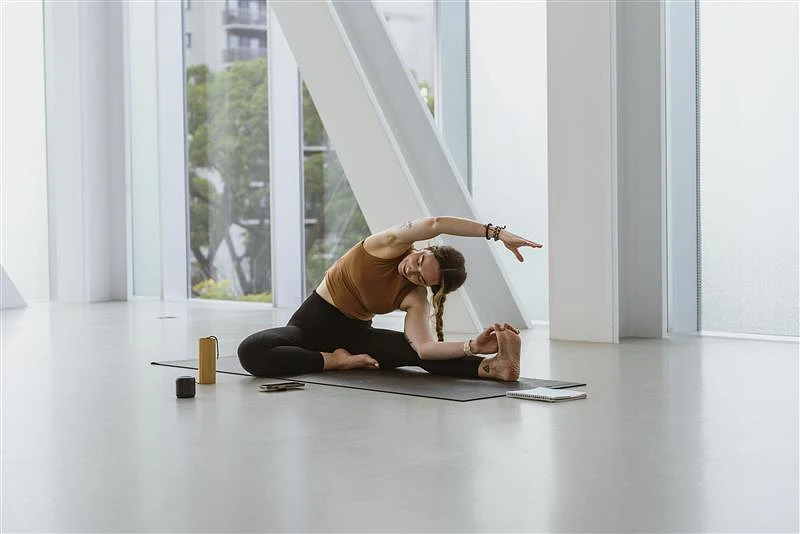
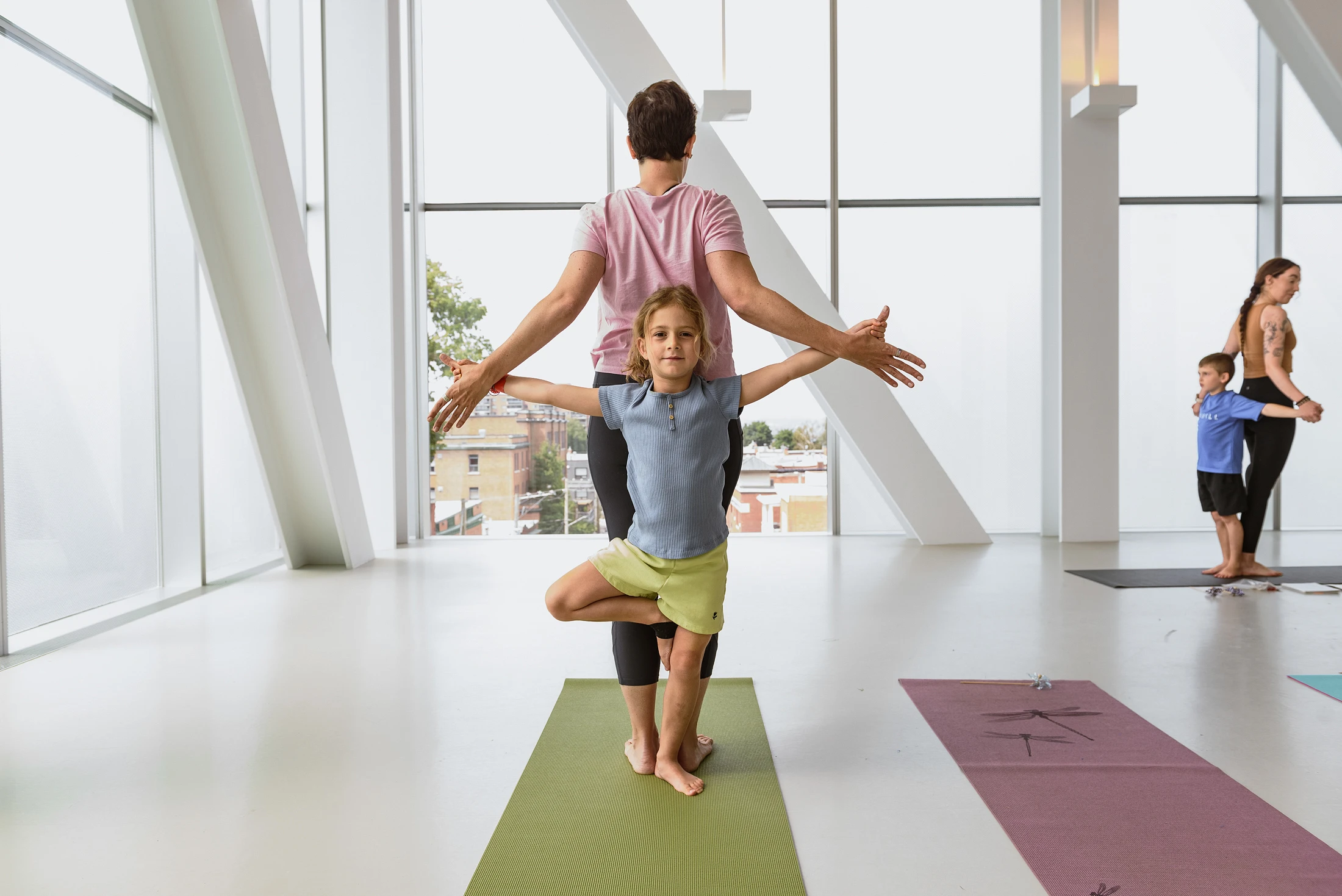
The experience invites visitors to explore physicality, sensations, and self-awareness through sensitive mediation practices.
Hosted by Marina Gross-Hoy as part of her Attention Laboratory project, the encounter will begin with a sensory exploration involving light movement to ground your attention in your body and anchor your presence in the moment. This will be followed by a guided tour of the exhibition, where the hyperrealistic sculptures will stimulate deeper thought on perceptions, resonances, and lived experience.
At the end of the tour, there will be an opportunity for intuitive writing as a space for reflection, where you can freely express what you felt without worrying about performance.
This is a Body is an invitation to slow down, hone your attention, and fully embrace the encounter with the works and with yourself.
The only prerequisite is the curiosity to experience a museum visit differently.
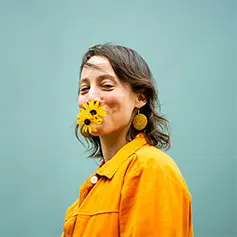
Marina Gross-Hoy has a Ph.D. in museology, mediation, and heritage from the Université du Québec à Montréal. She creates experiences that encourage people to perceive attention and the senses in new ways. Through participatory workshops, lectures, and literary essays, she explores alternative approaches to inhabiting and recognizing lived experience.
The Attention Laboratory is her combination of research and creative work, involving artistic activities inspired by sensitive mediation, embodied attention, contemplative practices, and trauma-informed approaches.
This collaboration with the Musée is the first time this practice has been formally deployed in a museum setting, opening up an unprecedented space for exploration between creation, research, and audience experience.
Art and wellness
Art and wellness
Art and wellness
Art and wellness
Art and wellness
Art and wellness
Art and wellness
Sign up for our twice-monthly newsletter to be the first to know about our upcoming exhibitions, activities, and promotions.