Cinema
Cinema
My Armenian Phantoms // Femme forêt
FIFA
About
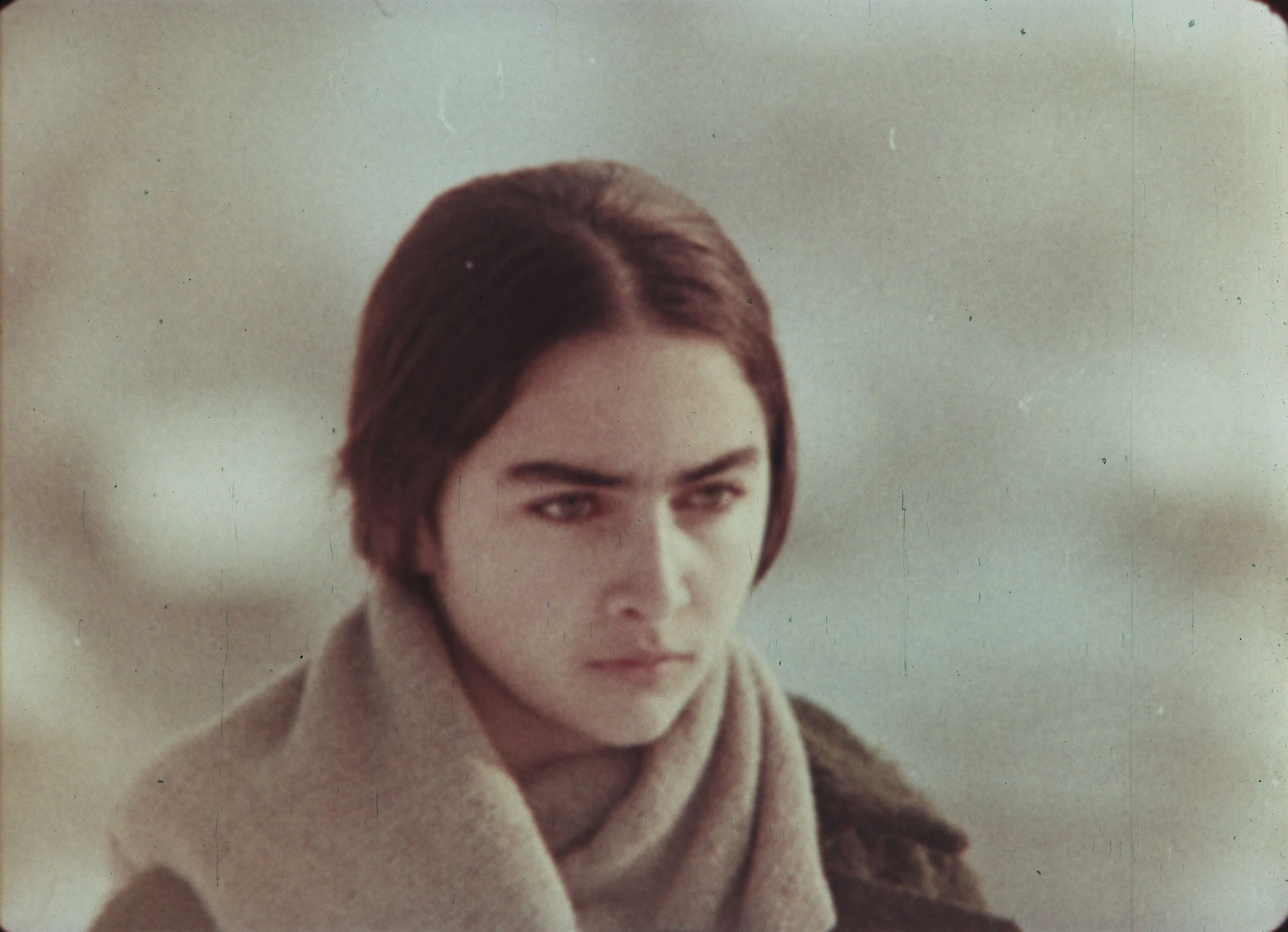
In My Armenian Phantoms, presented at the Berlin International Film Festival (Berlinale) in 2025, Tamara Stepanyan explores the little-known history of Armenian cinema through an intimate dialogue with her deceased father, actor Vigen Stepanyan.
Mixing clips from classic films, home videos, and a voice-over addressed to her father, the documentary juxtaposes personal memory with collective heritage. Poetic, vibrant, and universal, the film reveals a cinema shaped by genocide, exile, wars, and Soviet propaganda, while celebrating resilience, creativity, and the identity of a people.
Première canadienne
Compétition internationale - longs-métrages
Opening act: short film Femme forêt
Opening act
Femme forêt
Short film
Première mondiale
Sélection officielle - courts-métrages
Canada / 2025 / 2 min 58 sec / français
Réalisation Katherine Messier Production École Des Médias De L’UQAM Interprètes Anouk Chartrand Fayad Narration Romy Bédard Son Mathieu Leguerrier
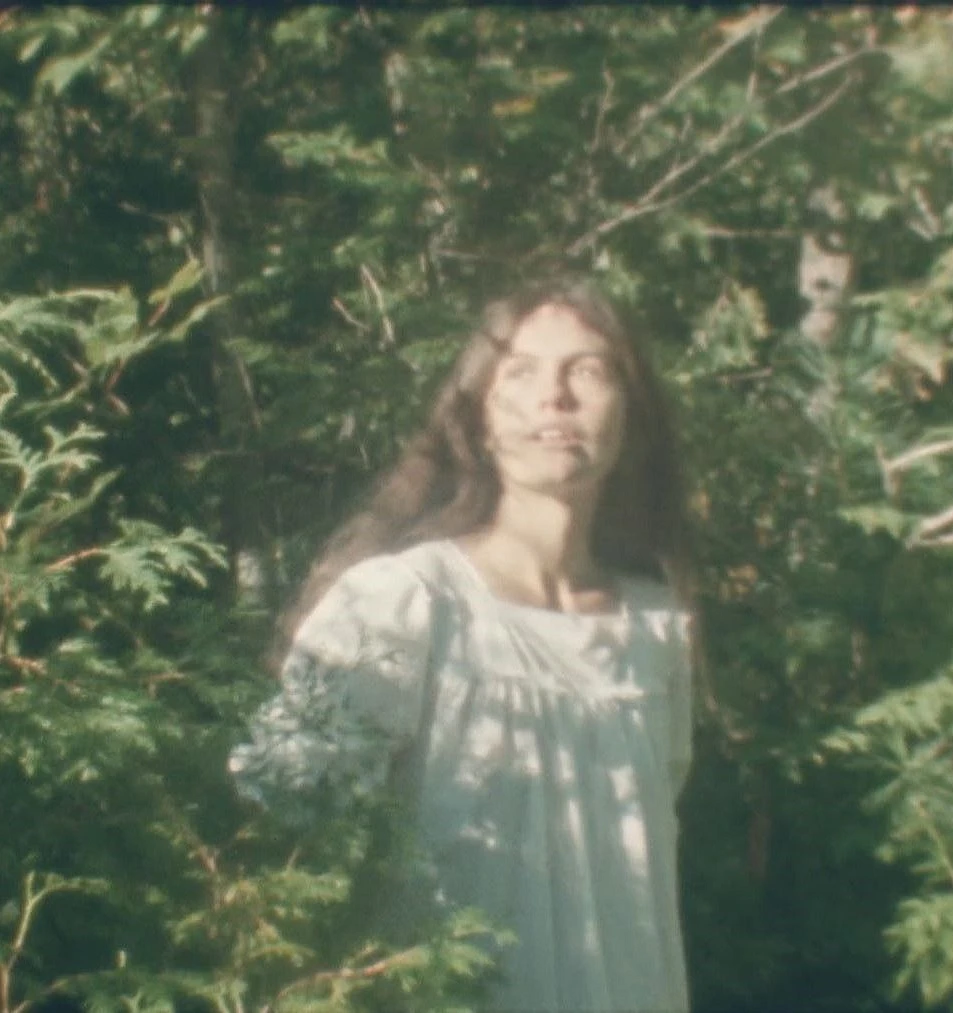
Adapted from the Quebecois novel Femme forêt by Anaïs Barbeau-Lavalette, this short film takes us deep into the forest, celebrating the author’s poetry that resonates with womanhood, freedom, and nature, offering a journey that is both mystical and intimate.
Biographies
Tamara Stepanyan
A film director born in Armenia, Tamara Stepanyan moved to Lebanon in the early 1990s and continued her studies at the National Film School of Denmark. She now lives in France and is considered to be the new voice of contemporary Armenian film.
Her feature film, Embers (2012), premiered at the Busan International Film Festival in South Korea. She directed Those from the Shore (2016), best documentary at the Boston Film Festival and the Amiens Film Festival. Village of Women (2019) participated in over 30 festivals and received 9 international awards and an étoile de la SCAM.
She is currently in post-production on her first fiction film, Save the Dead, shot in Armenia, with Camille Cottin and Zar Amir Ebrahimi.
Biographical notes provided by the film production team
Katherine Messier
Katherine Messier is completing a Bachelor’s degree in Film Studies at the Université du Québec à Montréal, with a concentration in Feminist Studies, after previously completing a certificate in screenwriting. Focusing her practice on directing, she explores themes of female representation on screen as well as her Hispanic heritage through intimate and poetic approaches. Femme forêt is her first experimental and essay film shot on Super8.
Biographical notes provided by the film production team
Director's statement
On January 19, 2020, I lost my father, Vigen Stepanyan, suddenly and brutally. My father was an actor, both in theater and film. He was very popular in Armenia: you could recognize him in the street, and his funeral was attended by political figures, personalities from the art world with whom he had collaborated, and many anonymous people who came to pay their respects. He is buried in the Tokhmakh Pantheon, the Armenian Pantheon.
The pain caused by the death of a father is unthinkable and impossible to describe. So I won't attempt it. What I do know, and what I can tell, is that the grief caused by his death was all the more intense because I imagined that we still had plenty of time to talk. I liked to imagine our future conversations, in which I would talk to him about my film projects and he, in turn, would tell me about his life as an actor, with all its ups and downs and anecdotes, some funny (even truculent), others more serious. I'd even advised him to write his memoirs . Now our dialogue is broken forever. My father will never write his memoirs.
My Armenian Phantoms was born of this interrupted dialogue, of these unwritten memories. How my father's disappearance opened the doors of the past wide for me. The Armenian past. And the past of cinema. Both intimately linked. As I began to dialogue with his ghost, as I began to search for and collect traces of his past career, as I began to revisit the films he starred in, I came across other ghosts from the history of Armenian cinema. It was as if my father's ghost had taken me by the hand and led me into a circle of ghosts linked, in one way or another, to the world of cinema. Hence the desire to tell the story of this cinema, little known abroad, in a film.
To offer a personal cinematic journey through the history of Armenian cinema. A cinema organically linked to a political, social and cultural universe that has now disappeared: the Soviet Union. Armenian cinema is closely linked to the history of the Soviet empire. It began in 1925 with Namous, (Honor, Hamo Bek-Nazarov) and was interrupted for over ten years after the filming of Karot (Nostalgia, Frunze Dovlatian, 1990), when the USSR was dismantled and Armenia, after 70 years, once again became an independent nation. An independent nation, sure, but in part nostalgic for its Soviet past. To the point of having difficulty writing its history in the present.
(...)
My Armenian Phantoms is a film about my dialogue with the ghosts of Armenian cinema, following the free and subjective path of my memories, emotions and thoughts. A film in which I try to capture the traces, the embers, the few glimmers of light that continue, despite everything, to shine. And all the more so as Soviet Armenian cinema has traveled very little and remains, despite the treasures it contains, known exclusively to the Armenian public. Proof of this is the astonishing and significant fact that abroad, cinephiles remember only two names in the history of Armenian cinema: Pelechian and Paradjanov, precisely two filmmakers who worked on the bangs of the Soviet production system.
- Tamara Stepanyan
Partner

Put art in your inbox!
Sign up for our twice-monthly newsletter to be the first to know about our upcoming exhibitions, activities, and promotions.