You must be logged in to add this resource to your favorites.
LoginRiopelle, Jean Paul
Montréal, 1923 - L'Isle-aux-Grues, 2002
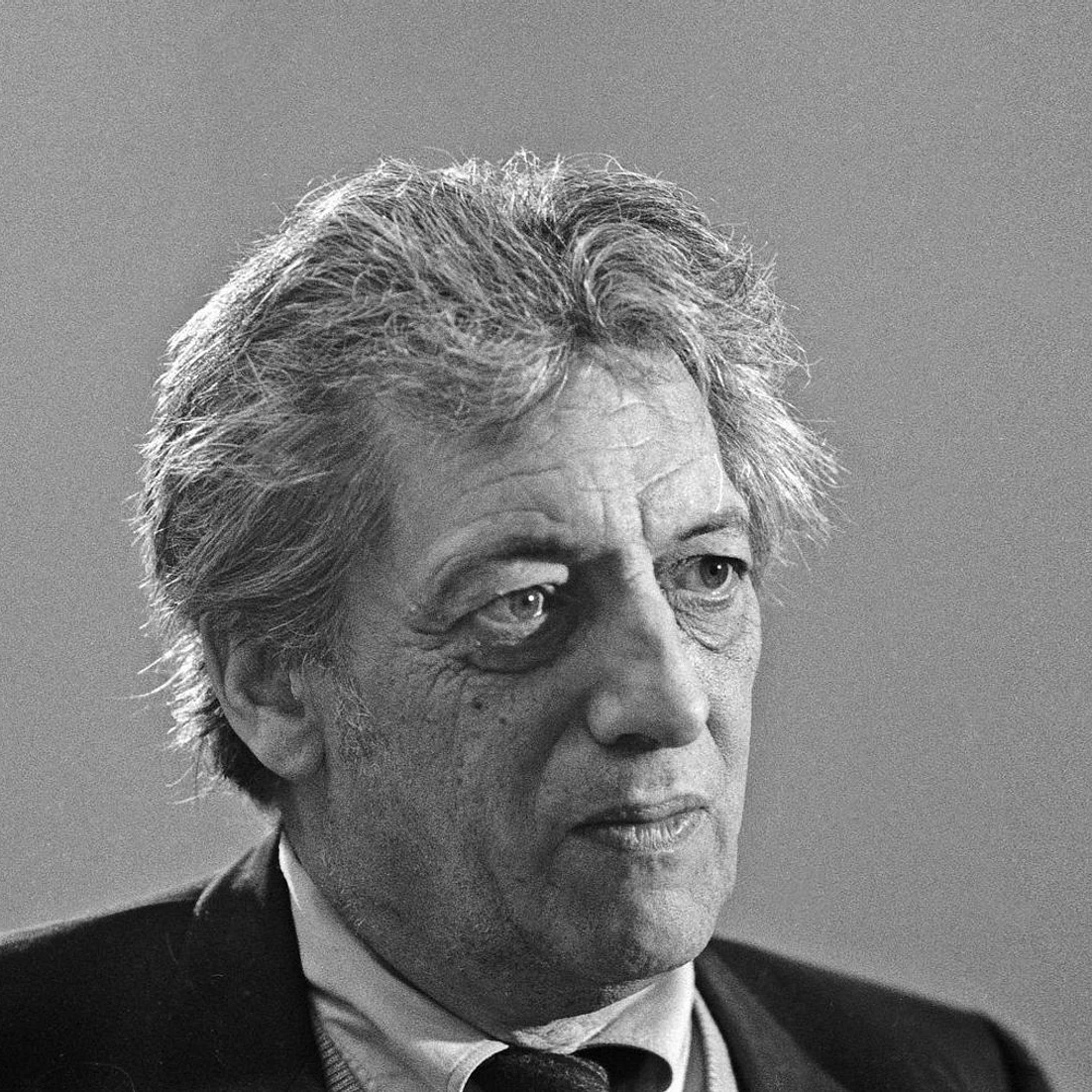
Painter, sculptor, and lithographer Jean Paul Riopelle was one of the most prominent Québécois painters of the 20th century. As early as the 1940s, he helped revitalize the Canadian art world, with his free-spirited, gestural style growing the reach of Canadian art around the globe. To this day, he remains an important figure in the Automatisme and Abstraction Lyrique movements. This biography explores his career, from his beginnings in Montréal’s avant-garde scene to his worldwide fame. Discover his style, his most notable works, and his deep ties to nature, Automatisme, and the cultural history of modern-day Québec.
Artist’s artwork(s)
504 artwork(s) in our collections
Biography
Early days and beginnings in Montréal’s avant-garde scene
Jean Paul Riopelle was born in Montréal on October 7, 1923. As a child, he developed an interest in drawing, painting, and observing nature. In his teenage years, his studies under Henri Bisson shaped his perspective on light, landscape, and the natural world, all of which would feature prominently in his work for the rest of his career.
After studying at the École Polytechnique de Montréal and the École des Beaux-Arts, he went on to study at the École du Meuble. It was there that he met Paul-Émile Borduas—a watershed moment for the burgeoning artist. His encounter with a member of Montréal’s avant-garde quickly led him to abandon academic approaches in favour of a freer, more spontaneous style. This led to him becoming a founding member of the Automatistes, a group that prioritized spontaneous gestures and exploration of the unconscious and ultimately shaped the history of Québec modern art.
In 1948, Riopelle signed the Refus global, a seminal text in contemporary Québec culture. The manifesto criticizes the conservatism of the time, challenges the prevailing mindset, and calls for greater artistic and intellectual freedom. That stance made Riopelle a pivotal figure in Québec’s cultural modernization.
Paris and New York: Enviable visibility
In the mid-1940s, Riopelle started travelling to New York and Paris, where he was introduced to other art scenes and became involved with Surrealist circles. These experiences informed his artistic approach and strengthened his desire to develop a resolutely unconventional style.
In the late 1940s, the artist moved to Paris with his wife, Françoise Lespérance, and their two daughters, Yseult and Sylvie. The Parisian art world was in the middle of a major transformation at the time, and Riopelle quickly established himself as a distinctive voice among the postwar painters. He also mingled with many artists and writers, including several members of the Surrealist movement.
Riopelle’s time in Paris also allowed him to rub shoulders with numerous influential artists, writers, and gallery owners, giving him a foothold in international modern art circles. His first solo exhibition drew attention to the power and character of his painting, and he quickly became one of the most prominent Canadian artists in Europe.
Finding his style
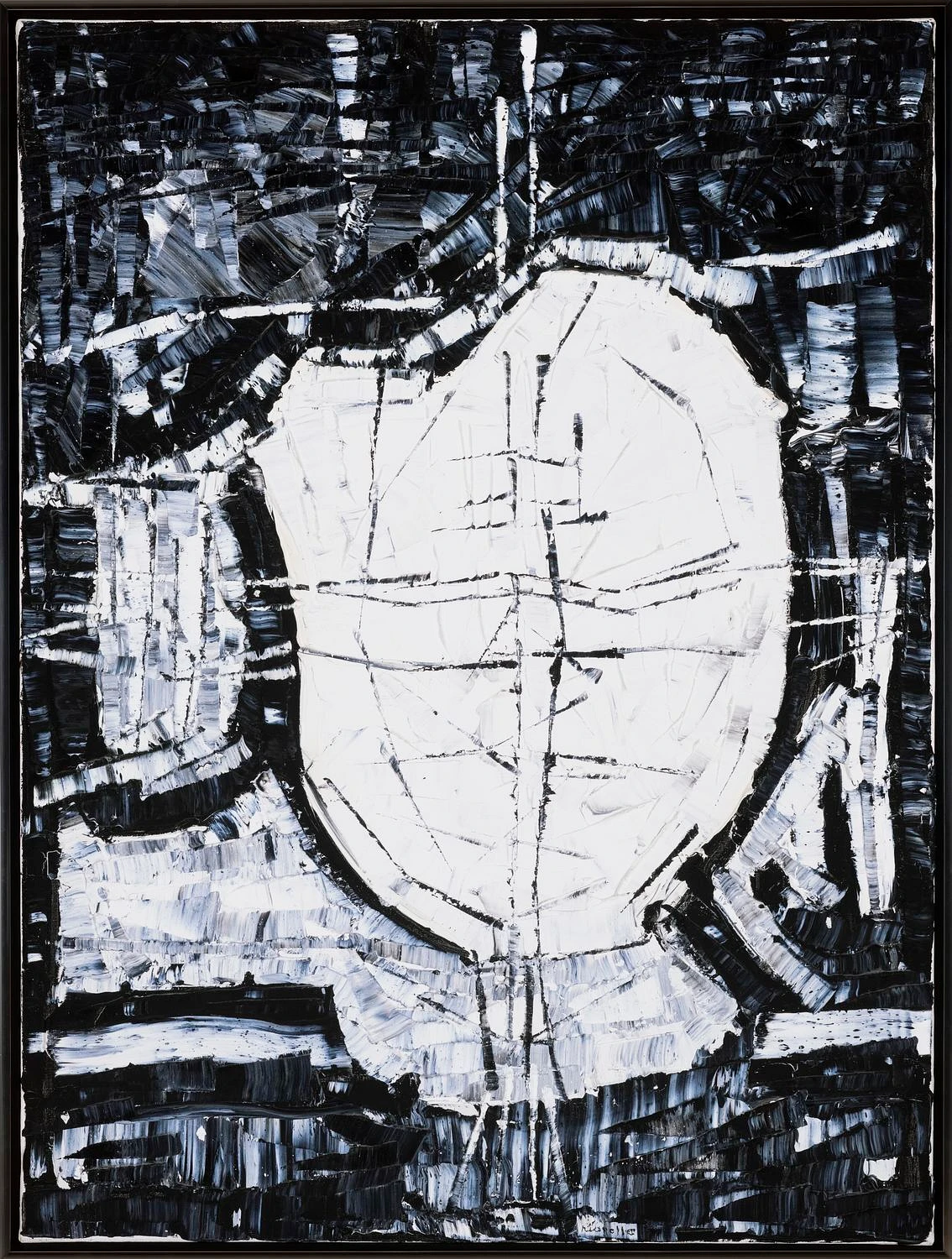
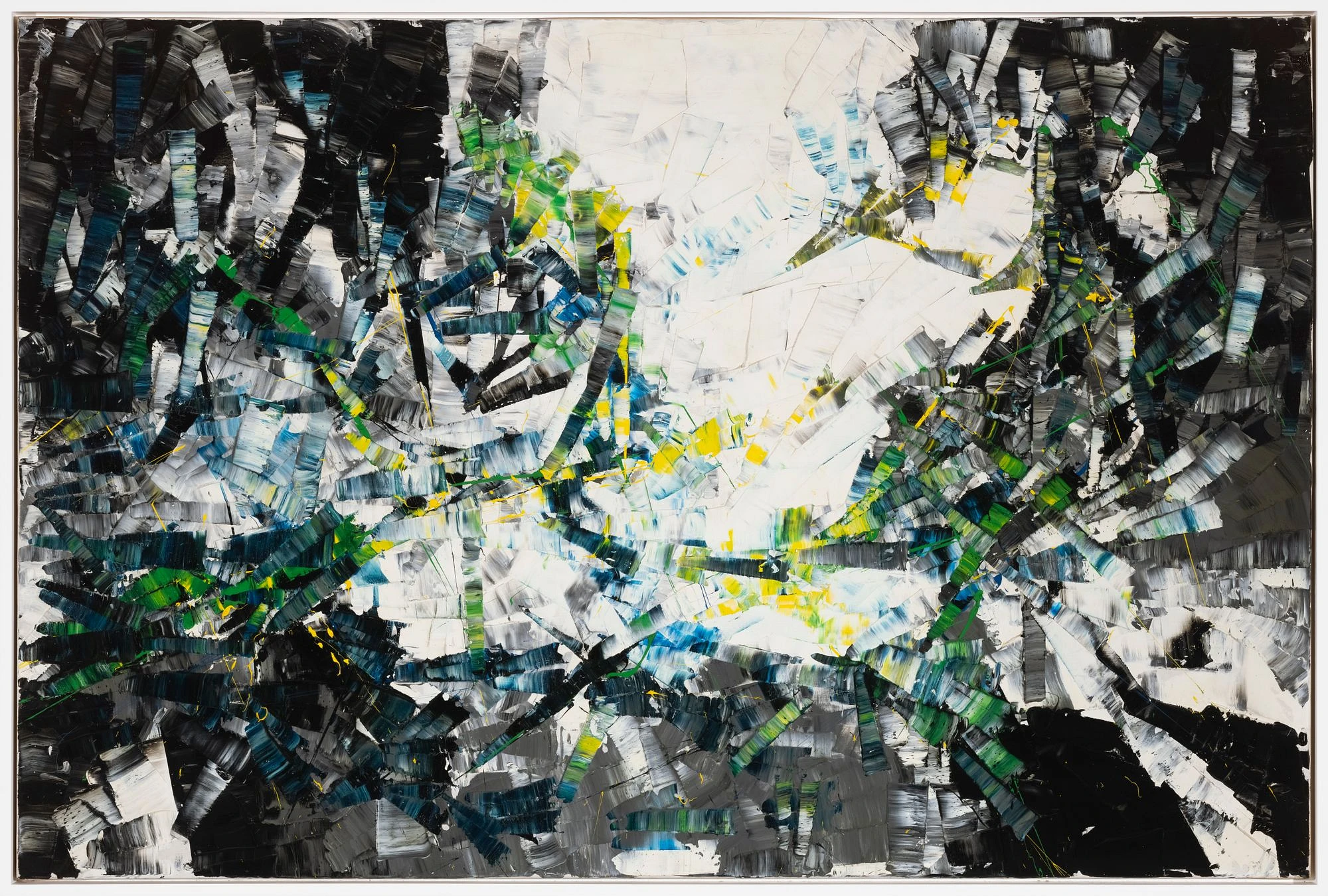
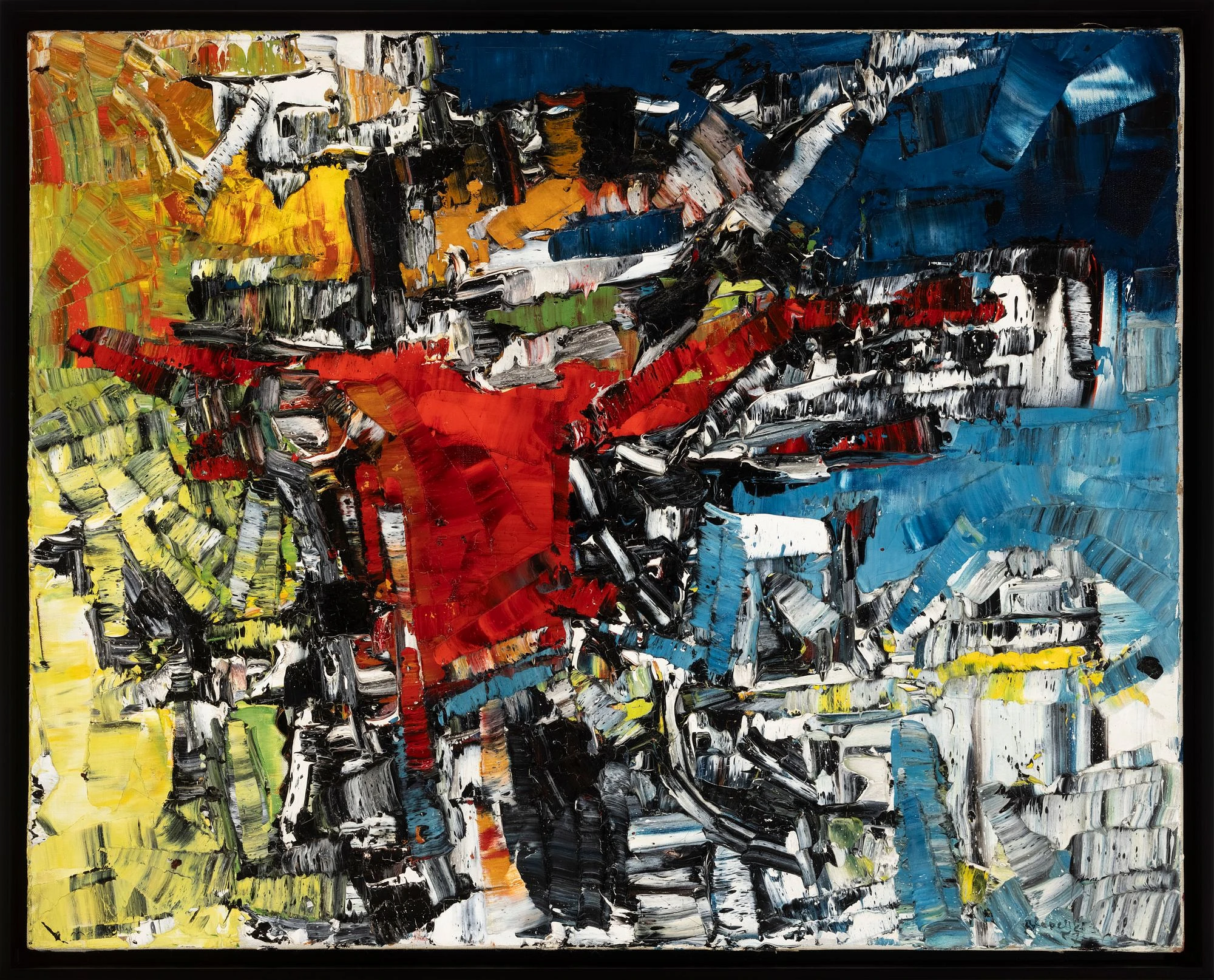
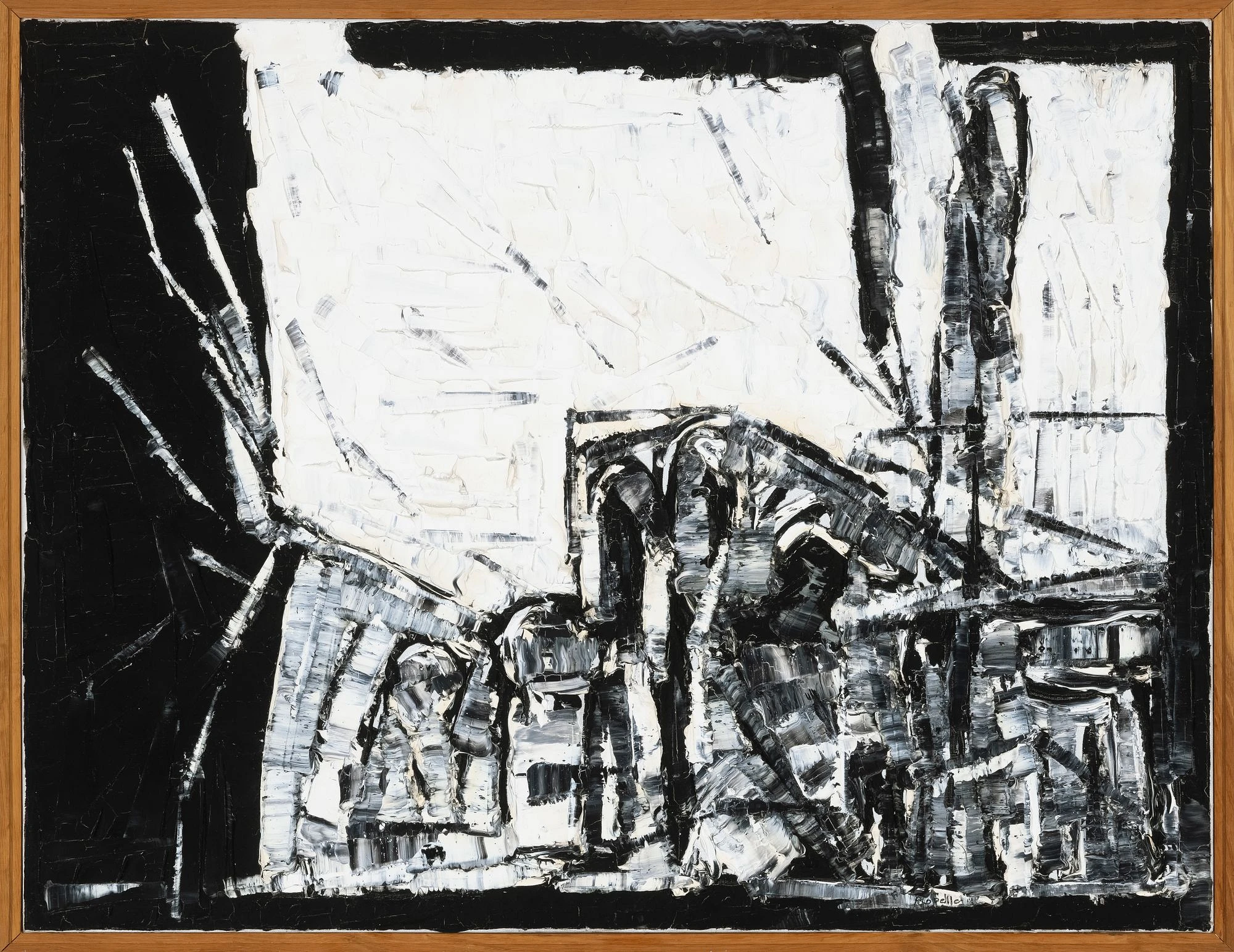
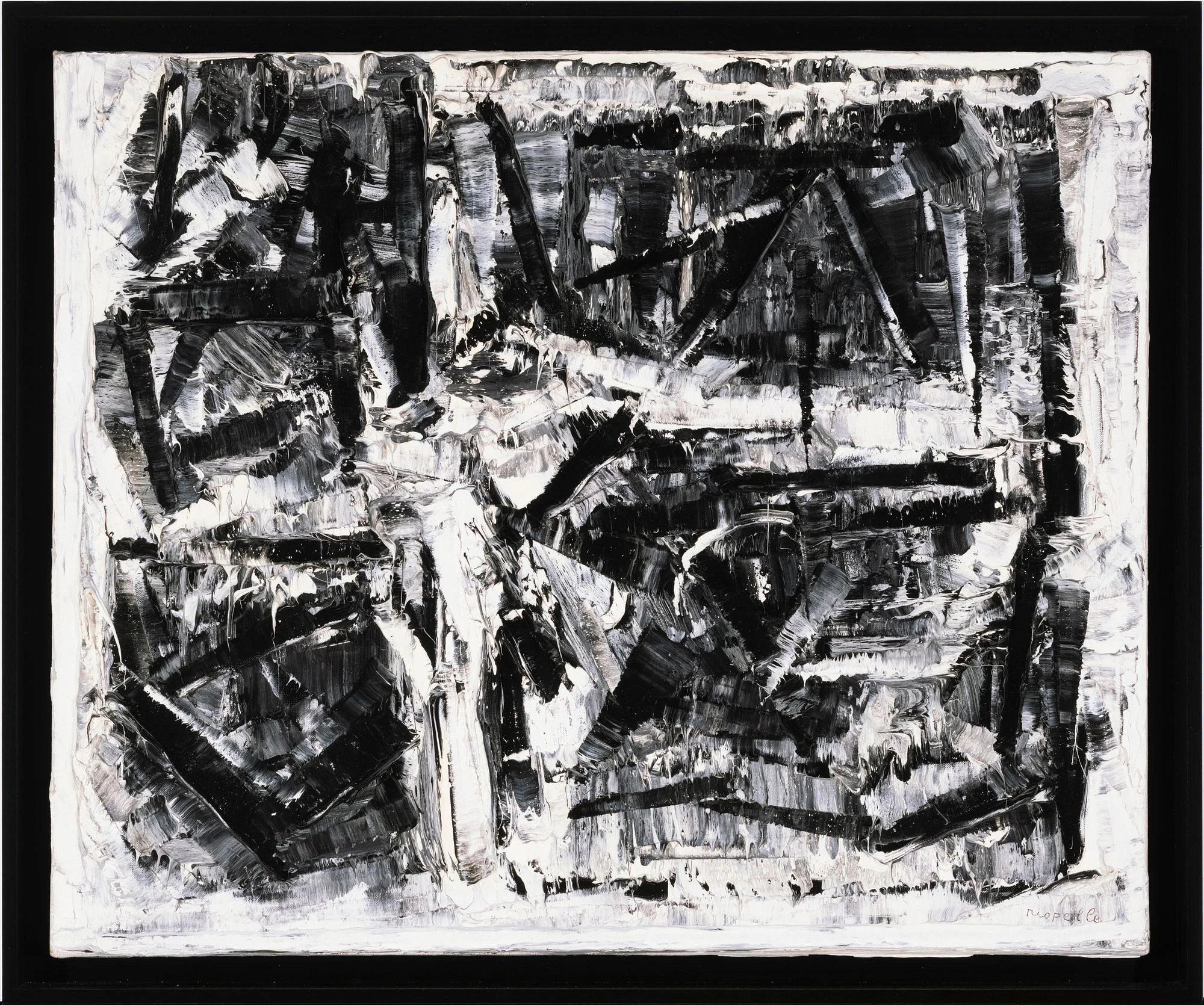
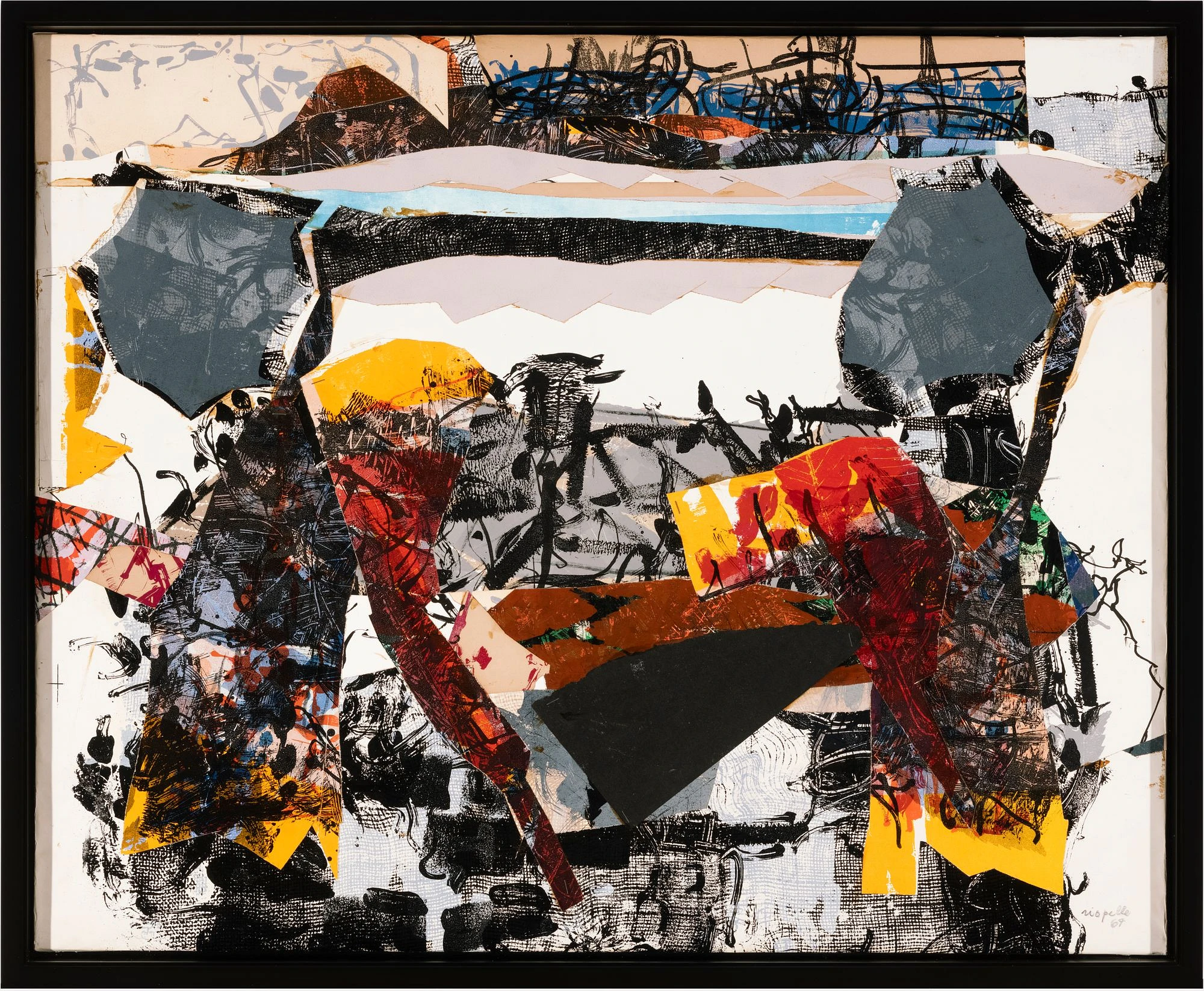
In the 1950s, Riopelle began creating the large-scale compositions for which he would become famous. He created “mosaics” by applying thick layers of paint and colourful patches to the canvas with a palette knife, giving his works texture and a strong presence.
While his work was sometimes likened to abstract expressionism or the Abstraction Lyrique movement, Riopelle eschewed overly rigid categories. That said, his art was frequently inspired by nature: many pieces evoke landscapes, ice, foliage, migratory birds, and weather without depicting them directly.
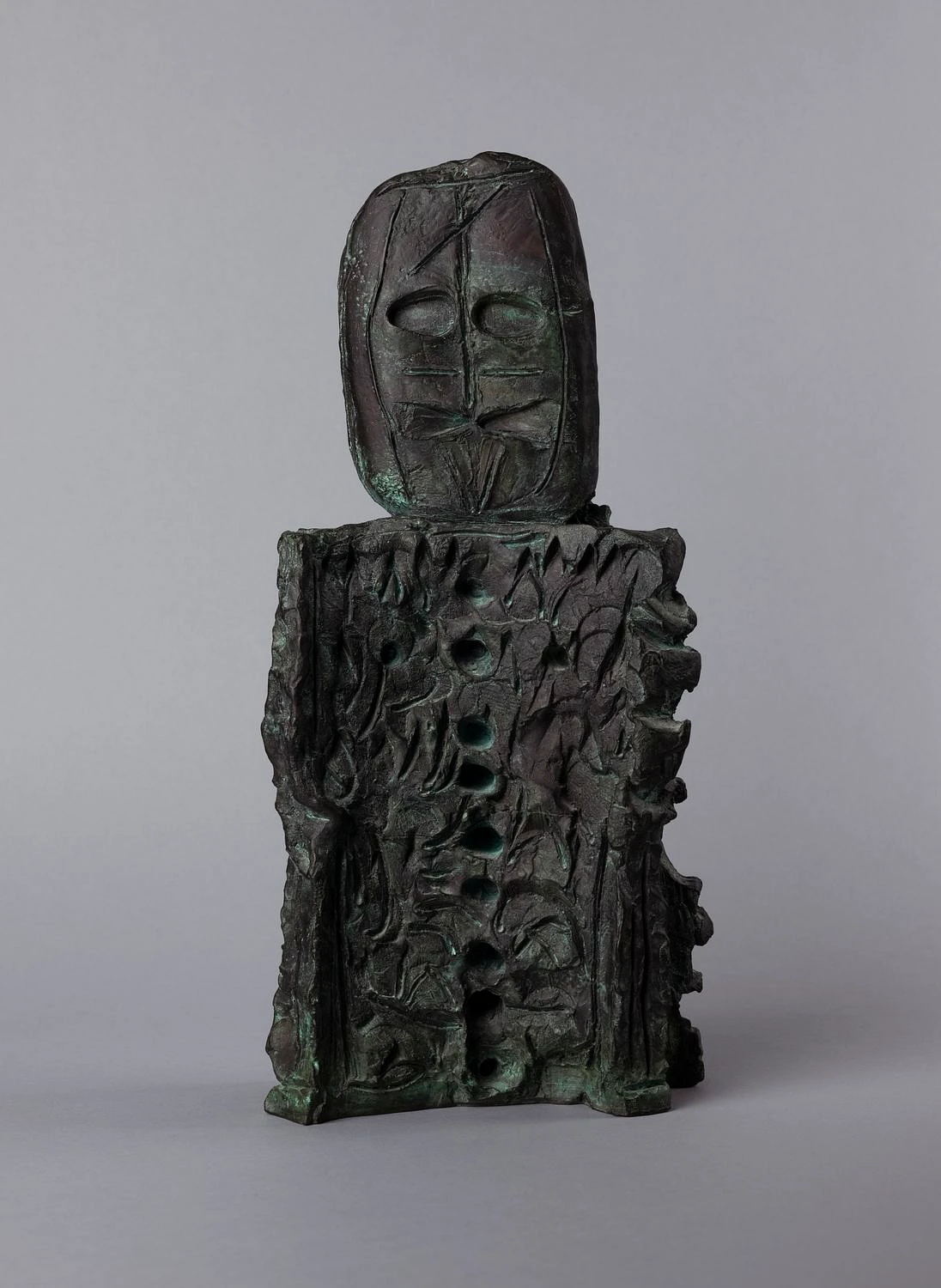
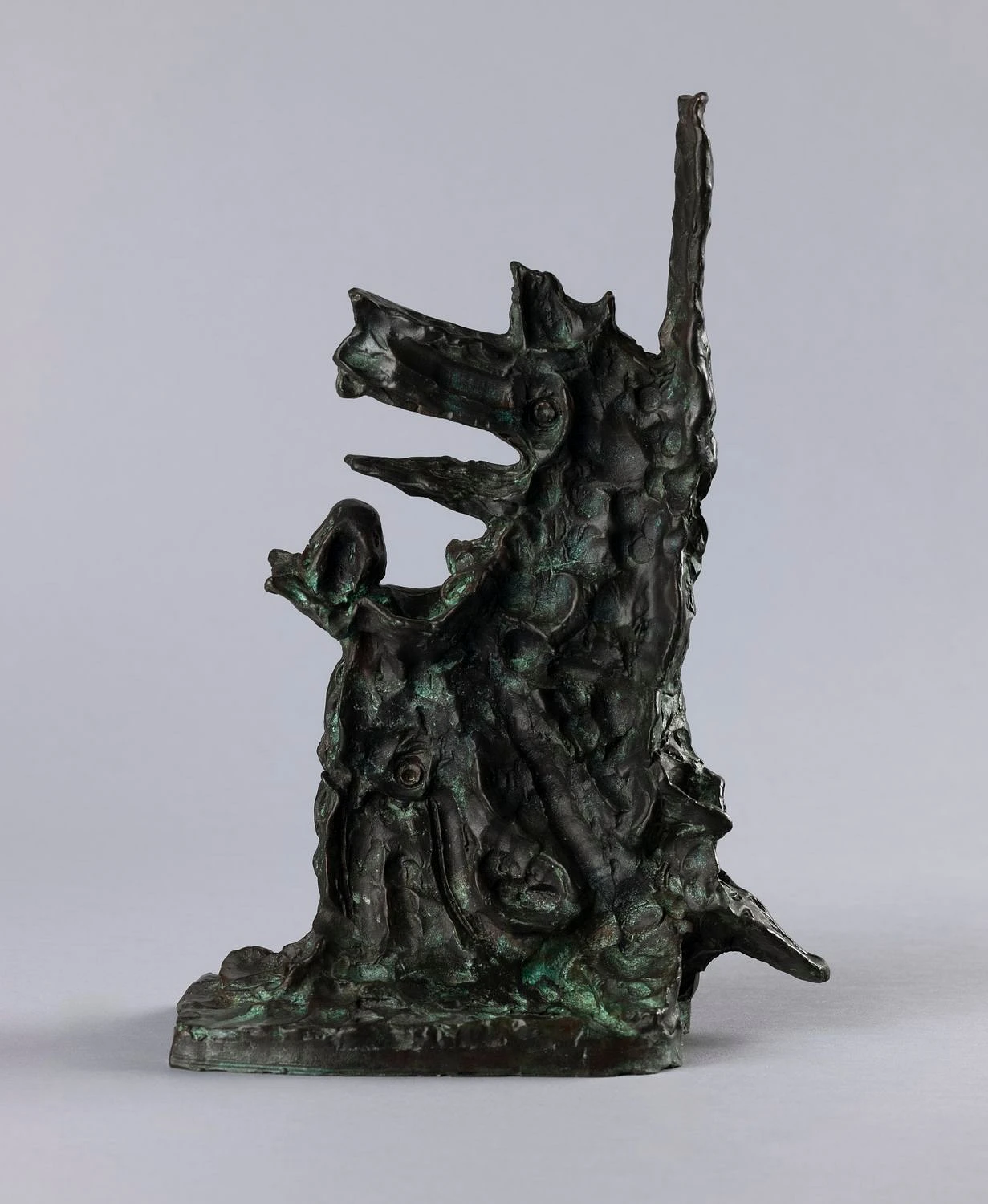
Riopelle’s unending curiosity also fed an interest in the material possibilities of art. In addition to painting, he explored printmaking, lithography, sculpture, bronze, and various mixed-media techniques, some involving spray paint.
International recognition
By the 1950s and ’60s, Riopelle’s international reputation was firmly established. Gallery owner Pierre Matisse regularly held solo exhibitions of his work in New York starting in 1954, opening up new opportunities for the artist.
In particular, he represented Canada at the Venice Biennale—one of the most prominent events in the art world—in 1954 and again in 1962, the year he received a UNESCO award. Over the decades, his work was shown in numerous museums and added to major public collections; for instance, the Museum of Modern Art (MoMA) in New York acquired some of his works in 1954. This visibility helped make him one of the first Canadian artists to enjoy such a distinguished international career.
Riopelle made his debut at the prestigious Galerie Maeght in 1966, joining the ranks of renowned artists like Alberto Giacometti and Joan Miró. At the time, he was still working in Paris, learning the art of printmaking. He would go on to produce more than 400 original prints during his long career, and his work would appear in numerous high-profile museums and collections over the decades.
Starting in 1968, Riopelle began spending more and more time in Québec. In 1974, he had a house and studio built in Sainte-Marguerite-du-Lac-Masson, in the Laurentians. He had also been working on La Joute, a fountain sculpture, around that time, and it was installed in Montréal’s Olympic Park in 1976 ahead of the Olympics. The sculpture is now a centrepiece of the Place Jean-Paul Riopelle in Montréal’s International District.
Nature as a source of inspiration
Riopelle was endlessly inspired by nature, from Québec’s landscapes and the St. Lawrence River to forests, birds, snow, and the changing seasons.
In fact, nature features prominently both as a subject and in the very media of his work; it is echoed in the colours, the rhythms, and the energy of his art. This relationship between abstraction, landscape, and gesture goes a long way toward explaining the unique place Riopelle occupies in the history of Canadian modern art. Starting in the 1960s, Riopelle also turned his attention to animals. In particular, owls became a common motif and a sort of totem, although they were replaced by geese starting in 1976.
This natural inspiration is evidenced in one of his most famous works, Tribute to Rosa Luxemburg (1992). The massive spray-painted triptych was created after the death of American painter Joan Mitchell, with whom Riopelle had a nearly 25-year relationship after they met in Paris in the ’50s. Their relationship and artistic dialogue—marked by admiration, intense tension, and constant communication—were pivotal to their respective careers.
The monumental work combines emotional intensity, visual grandeur, and a mastery of space. It also speaks to Riopelle’s ability to reinvent his artistic language throughout his life. Tribute is often considered one of the most moving pieces from the artist’s late career.
Legacy in Canadian Art
Riopelle embodied the creative passion and global perspective of Québec art. His story shows how a Montréal-born artist managed to profoundly transform the history of modern art in Québec and Canada.
His outstanding contribution to the visual arts earned him the Prix Paul-Émile-Borduas, the Government of Québec’s highest honour, in 1981. That same year, a retrospective of his paintings was held at the Musée National d’Art Moderne in Paris before touring in Québec City, Montréal, Mexico City, and Caracas.
Riopelle was also awarded several honorary doctorates from institutions like the University of Manitoba (1972) and McGill University (1968). He was named a Companion of the Order of Canada in 1969 and received the Grand Prix de la Ville de Paris in 1985. He was named a Grand Officer of the National Order of Québec in 1994.
The man who is seen as one of the most extraordinary artists of his generation died on March 12, 2002, in L’Isle-aux-Grues. The Government of Québec held a state funeral in his memory. He left behind a substantial body of work that continues to feature in modern art museums, exhibitions, and publications.
To this day, his art continues to inspire research, exhibitions, and specialized publications, speaking to the exceptional significance of his work and his central role in the history of modern art. The MNBAQ is dedicating a world-class space, the Espace Riopelle – Pavillon Michael Audain, to his work and his enduring legacy. It is set to open in the fall of 2026.
Notable works by Riopelle
This early painting illustrates Riopelle’s emerging interest in the Québec landscape and shows signs of the artistic exploration that would mark his career.
This is an early representation of the “mosaic” style Riopelle developed in the 1950s. Dynamic lines and thick layers of paint add texture to the piece.
Energy, movement, and density shine through the composition of this nature-inspired painting.
After several trips to the North, Riopelle began creating works inspired by Arctic ice and landscapes.
Tribute to Rosa Luxemburg (1992)
This monumental triptych, created late in Riopelle’s career, is often seen as his crowning achievement and a true testament to his artistic skill.
Put art in your inbox!
Sign up for our twice-monthly newsletter to be the first to know about our upcoming exhibitions, activities, and promotions.